
Behind the Scenes
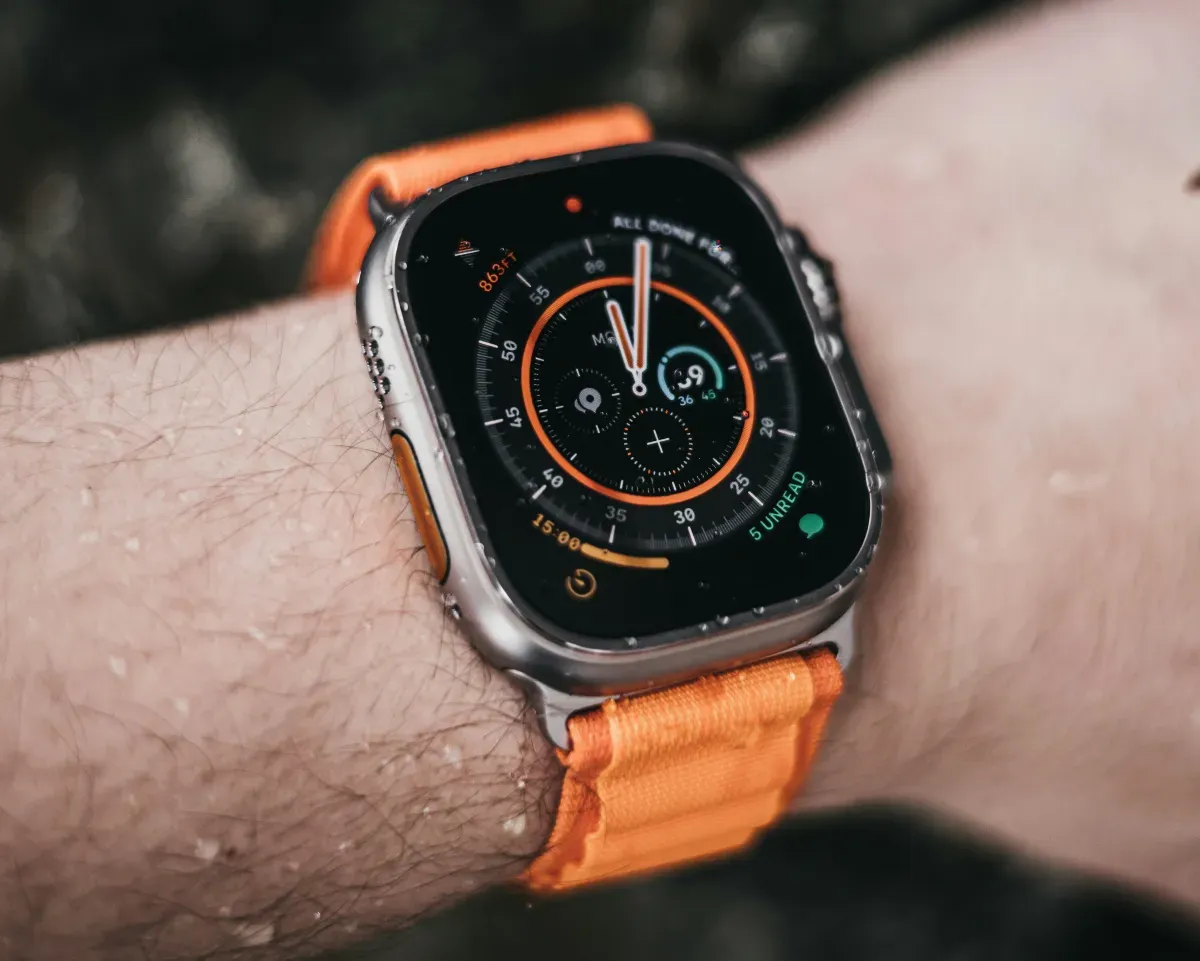
Exploring Apple Watch as a Remote for BeatBuddy
We're researching how Apple Watch could work as a simple remote control for BeatBuddy — here's what we're exploring and why.
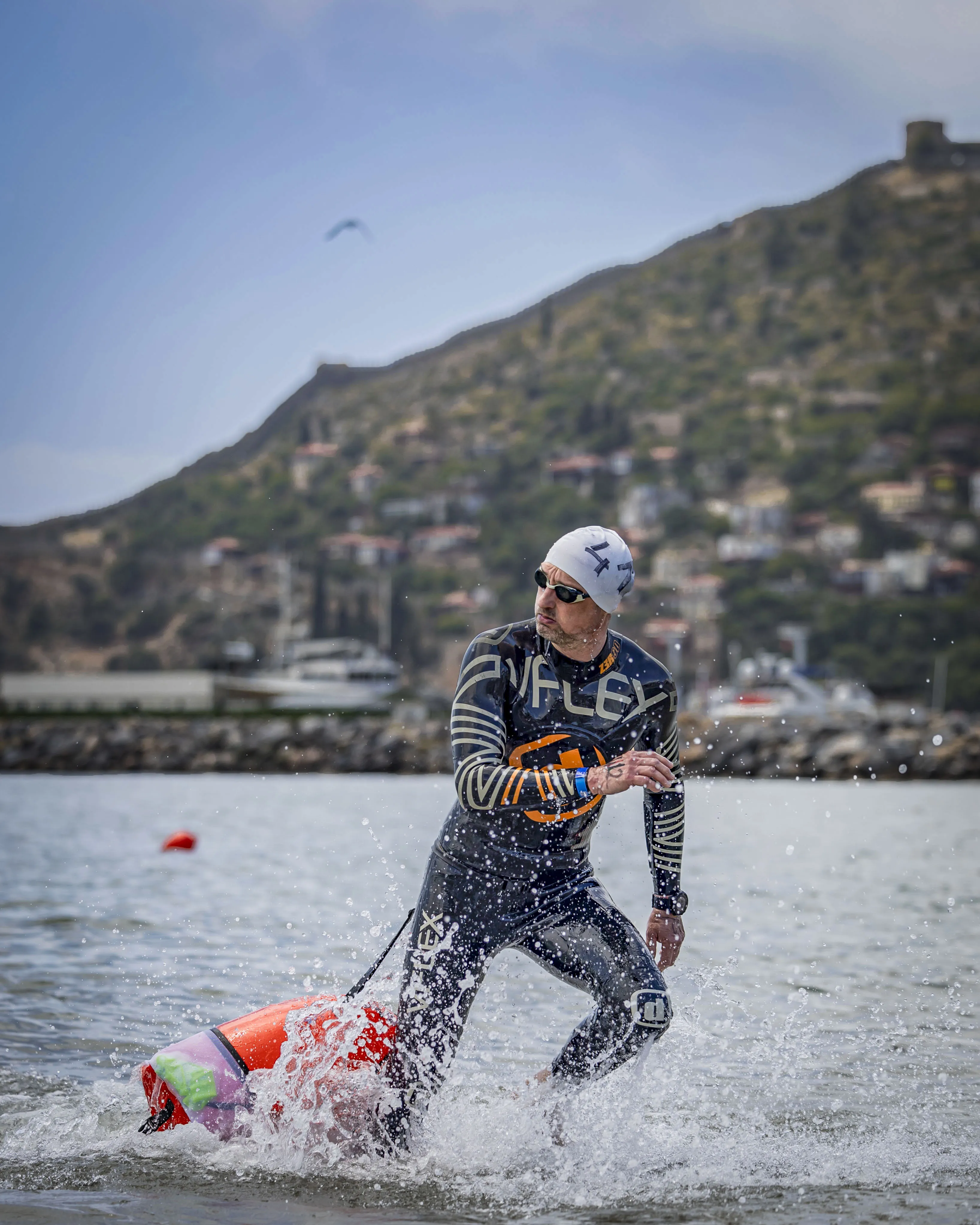
Istvan Perge didn't learn to swim until he was 14. Now he wins age-group podiums at X-Waters, crosses Lake Balaton, and trains with Total Immersion. Here's his journey.
Growing up, physical activity was always a huge part of my life, but I didn't take up swimming until fairly late. As a child, I didn't have the opportunity to learn to swim, and I didn't venture into deep water until I was 14, by which time I could swim breaststroke. I've always loved a challenge: when I swam across Lake Balaton at age 21, my goal was simply to make it back to shore alive, since I'd probably never swum that far in my life before (it took me nearly 4 hours to cover 5.2 km), so swimming still wasn't really my sport.
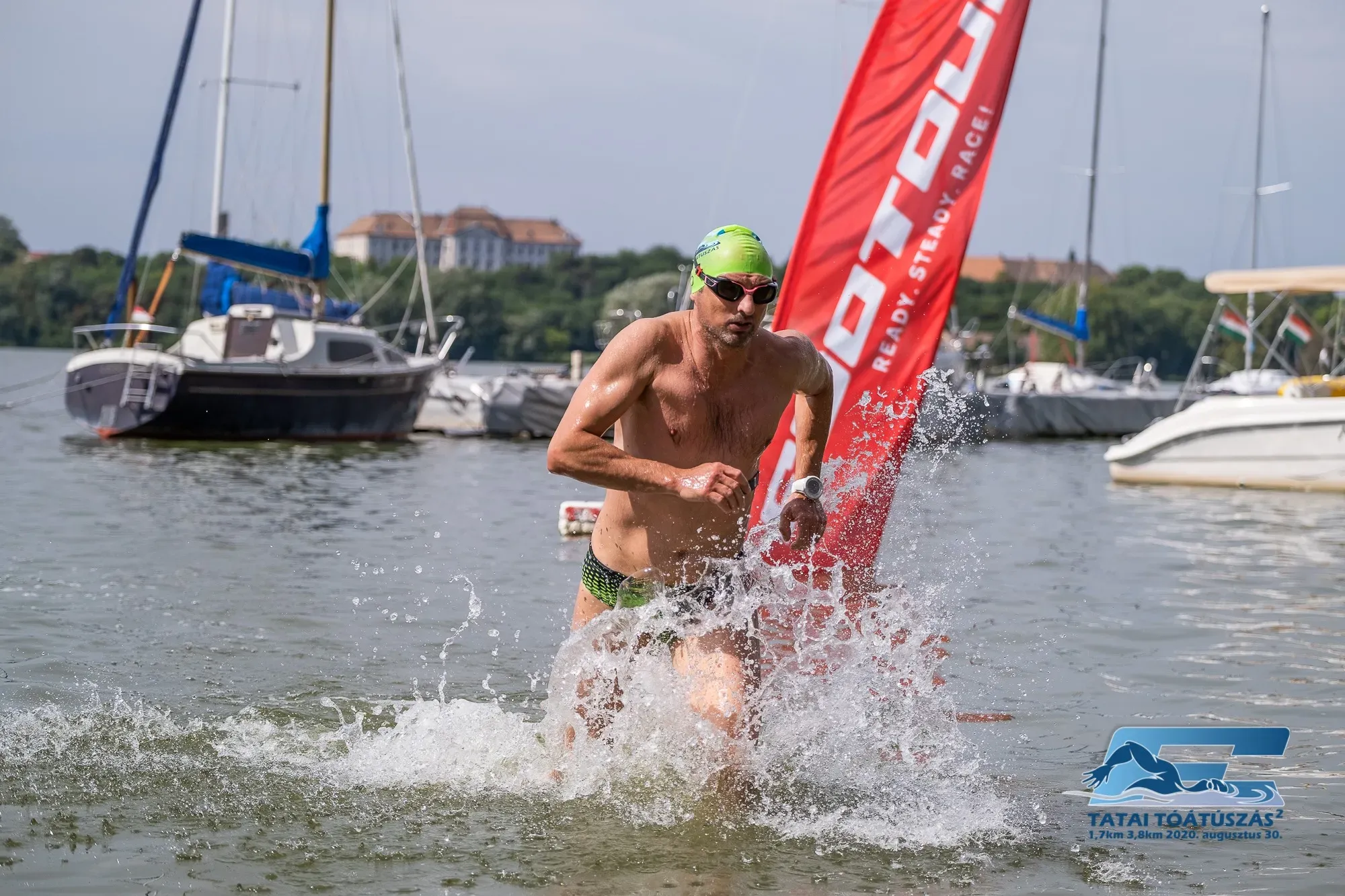
A few years later, however, I was captivated by the difficulty of a triathlon competition; I developed a taste for swimming and was practically forced to practice freestyle in addition to breaststroke. I started as a self-taught swimmer; I didn't have the opportunity to see a coach, so I tried what I saw others doing in the water and filled in the theoretical part from books. Due to these shortcomings, I couldn't swim distances longer than 800–1,000 meters without stopping.
Soon after, other things pushed the sport into the background, and a 16-year hiatus followed.
Then, at age 42, I managed to find my way back to the pool, and for the past 13 years, swimming has become a defining part of my life. I practiced diligently, and within a few months of starting, I reached the point where I could swim 1 km in freestyle after my initial one lap.
Instead of books, I turned to the internet to find solutions on how to swim more efficiently so I wouldn't have to take breaks due to fatigue. Thanks to this, I quickly found the Total Immersion method on YouTube. I was fascinated by the effortless movement I saw in Shinji Takeuchi, for example — his arms and legs barely moved, yet he glided through the water for a long time. Just like a fish!
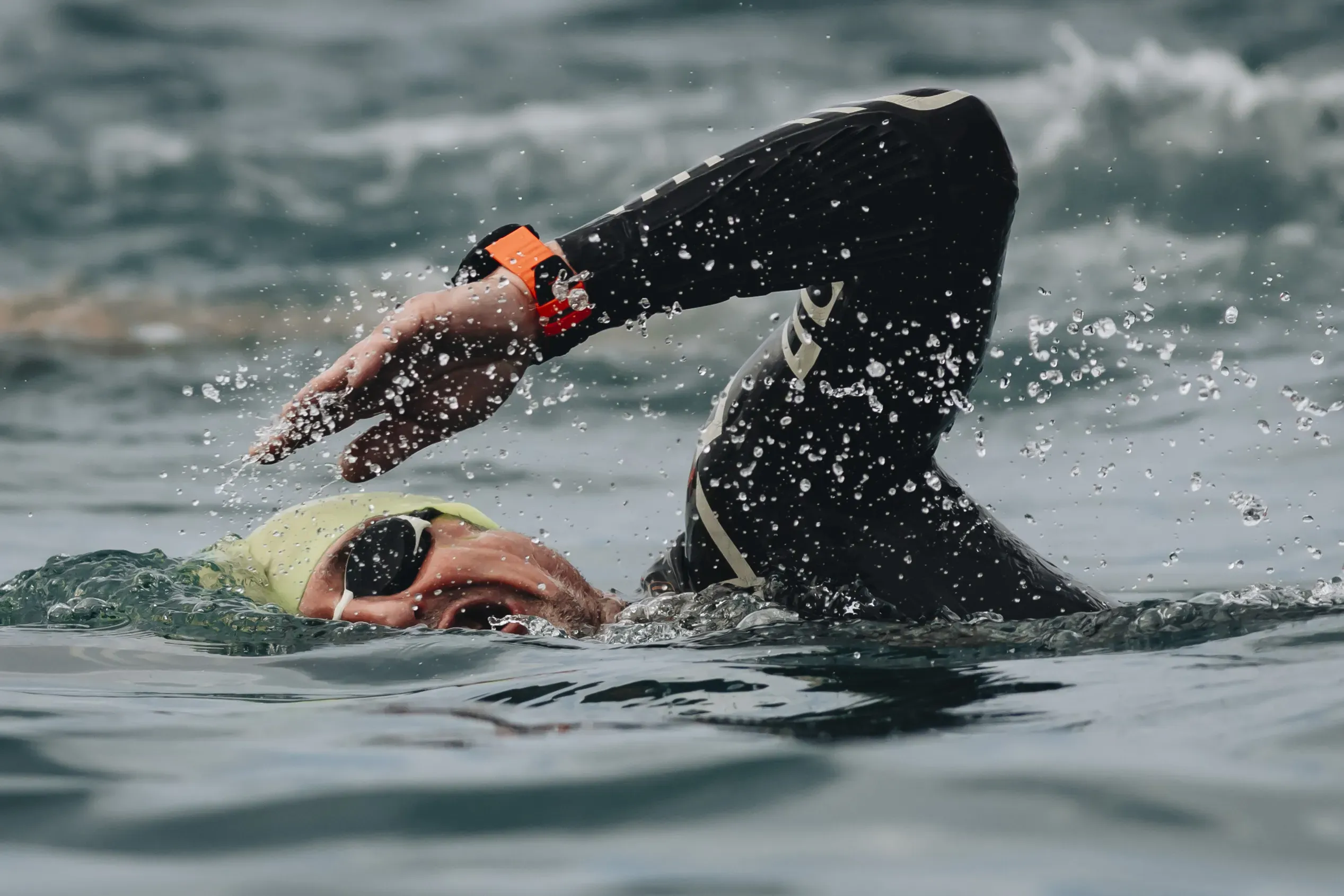
After that, I tried to practice this. Since this kind of training wasn't available in Hungary, I corrected my mistakes using video recordings I made of myself based on what I found on YouTube.
At first, I didn't aim to increase my speed but just to "swim beautifully and fast." Over time, my speed began to improve as well, and this progress provided further motivation. I set goals for myself, such as completing the classic 5,200-meter swim across Lake Balaton using only freestyle, and then, once I succeeded in that, completing the distance in under 1 hour and 45 minutes (though this had been unattainable for me for many years).
Since September 2022, I no longer swim alone; I've joined the swim training sessions of a triathlon club. This has minimally improved my performance, and the training sessions have become much more enjoyable.
During the open-water season in the summer, I tried to compete in as many amateur races as possible, first in domestic waters, and later in neighboring or more easily accessible European countries. Due to my lack of a swimming background as a child, it would have been pointless to compete against senior (masters) swimmers my age in pool events over shorter distances; however, in open-water races, I've sometimes even managed to make it onto the age-group podium.
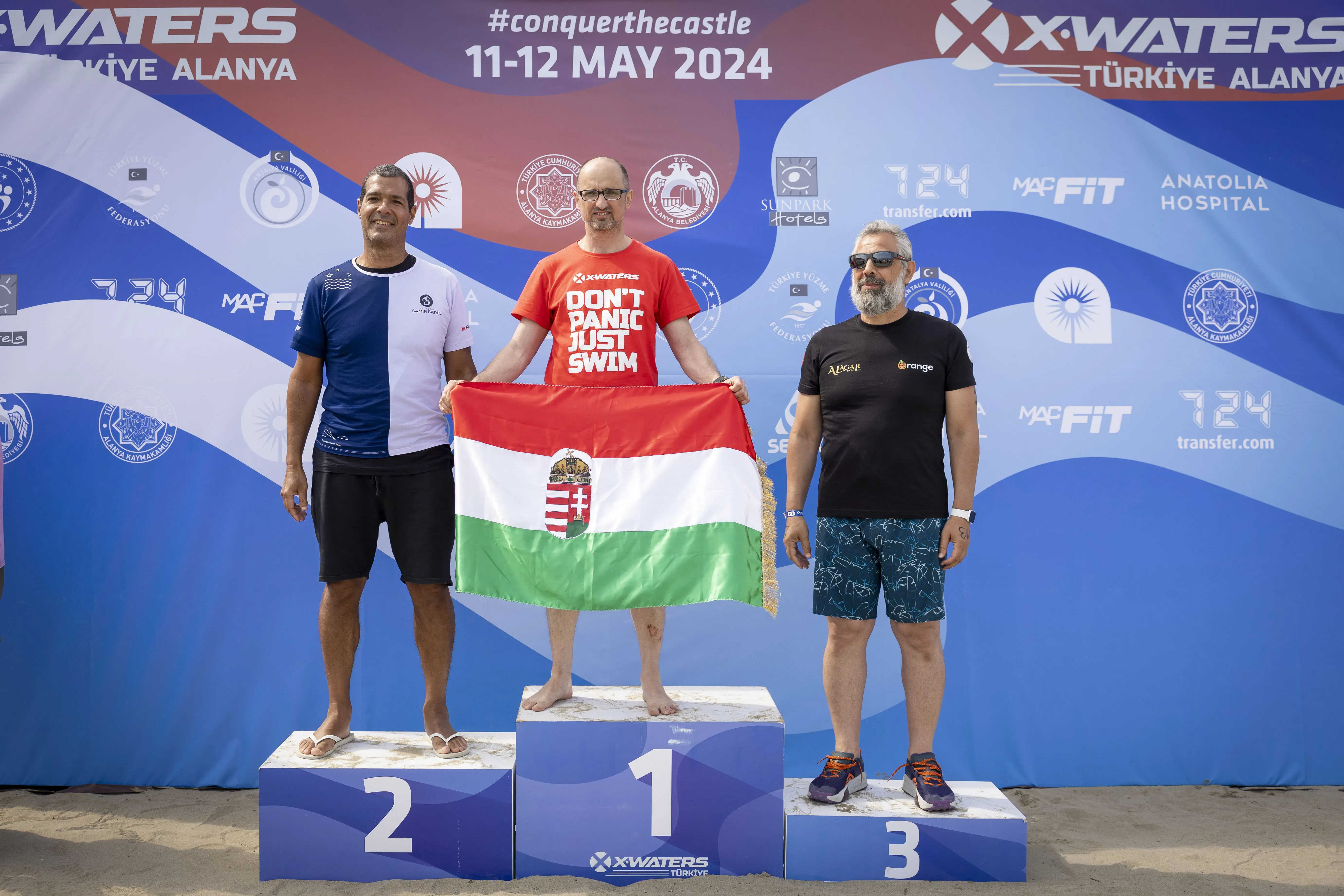
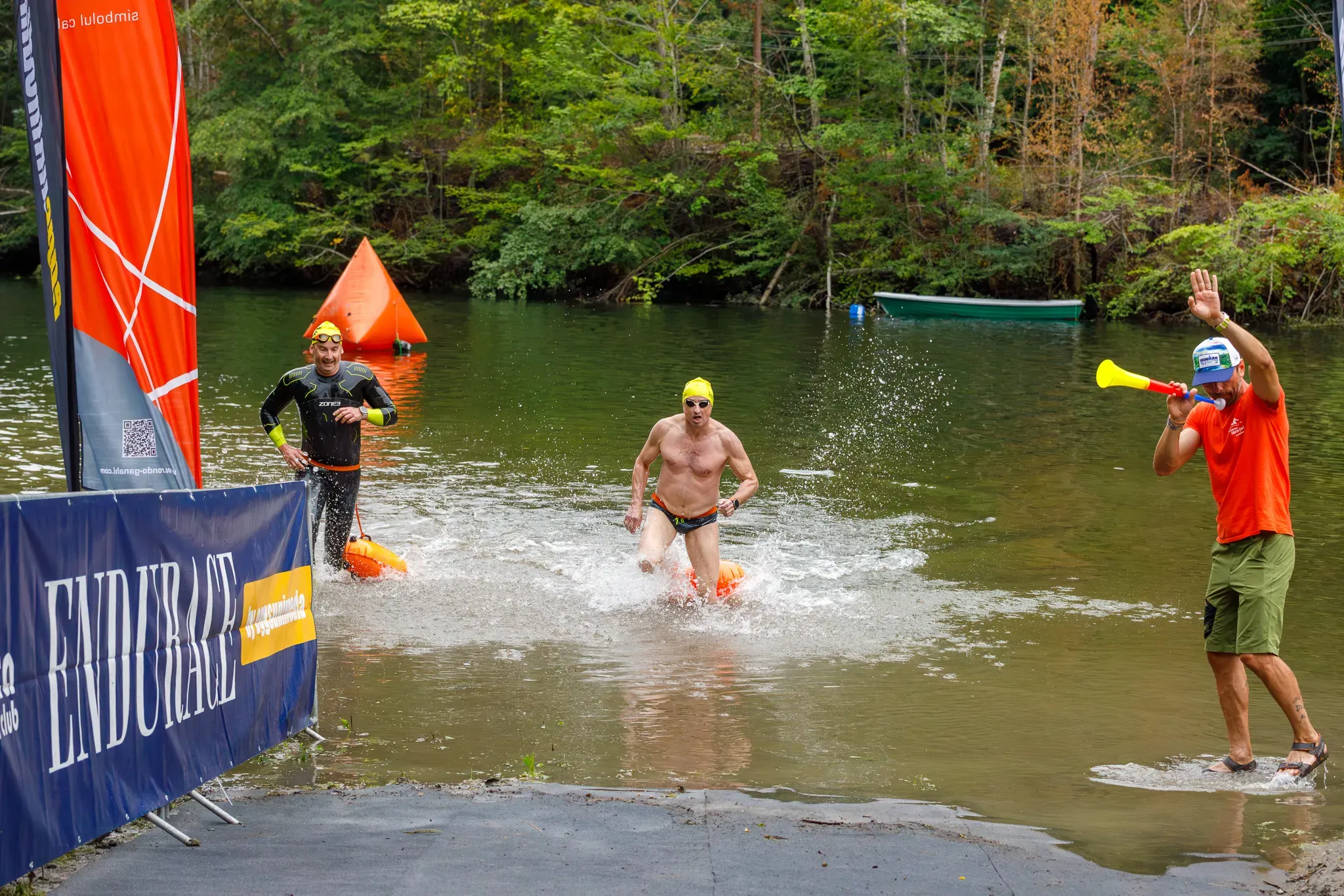
I try to compete in the longest distances possible; there are many races held over 3- and 5-kilometer distances, but I've also competed in 6.5- and 10-kilometer races. Outside of the season, there are increasingly more swimming competitions in Hungary where you have to swim for 6 or 10 hours; so far, I've swum these with my friends, but I hope that sooner or later I'll be able to complete the 6-hour duration on my own.
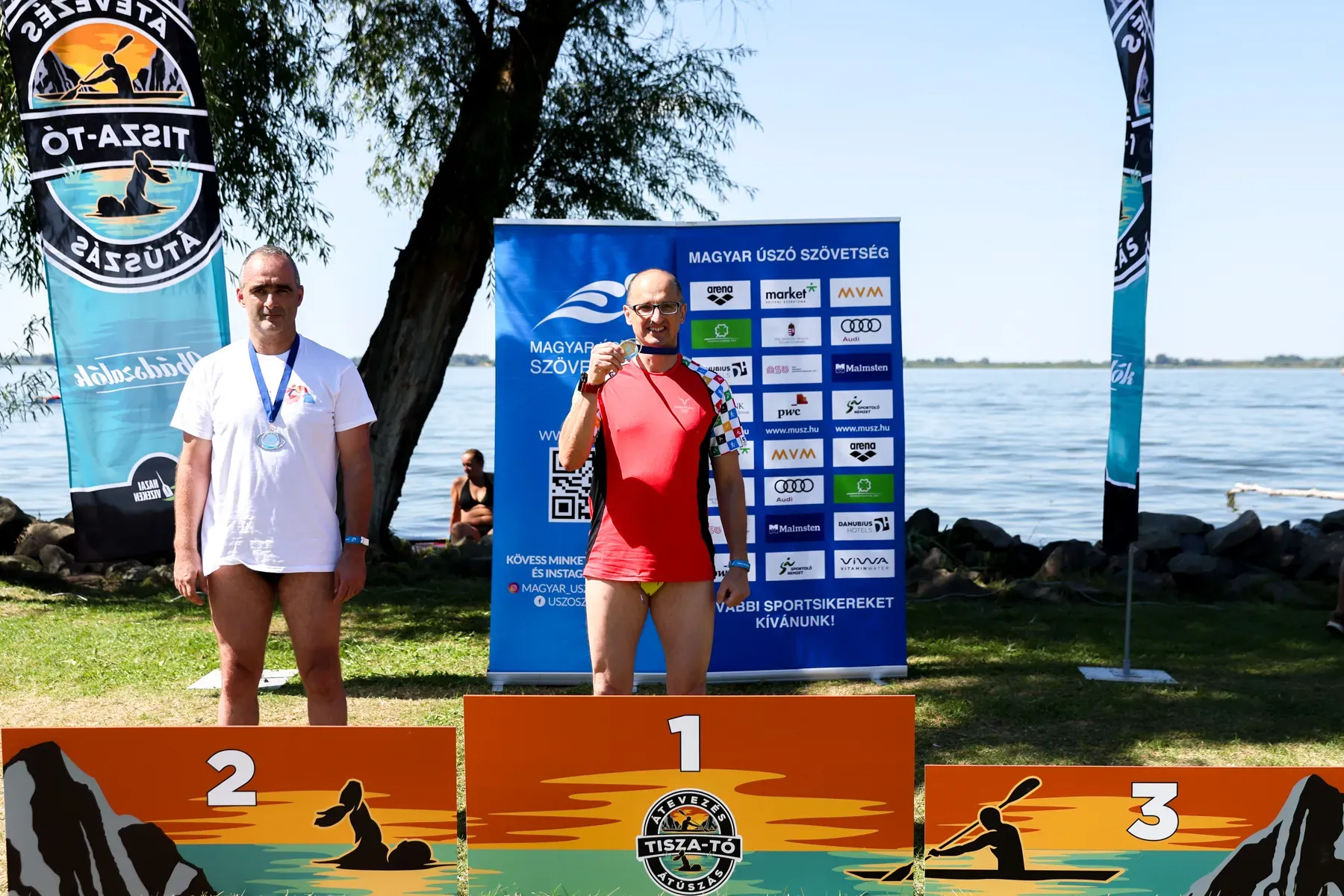
The two-day beginner TI course organized with Pawel in Hungary in 2025 marked a noticeable leap in my performance: even before that, I was aware that it's not just the time measured by the stopwatch that counts, but that I should strive to reduce my pace per length, as this also signifies improvement. Those two days taught me what to focus on in the water, and when I succeeded, it showed in a decrease in my pace per length and later on the stopwatch as well. That summer, I not only achieved my goal but swam the Lake Balaton crossing 5 minutes faster than the 1 hour 45 minutes I had set as my target.
I've been using technological innovations, such as the smartwatch, for a long time during my swims; the information it provides makes it easier to track performance, record actual open-water distances, or log workouts. I was delighted to hear that Pawel will be bringing a Vimo (formerly BeatBuddy Pro) to the 2026 advanced TI course in Hungary, and that its innovator, Mariusz, will also be present. Since I'm open to using swimming-related devices, I welcomed this new development with interest; in my opinion, using one would help improve my swimming performance.
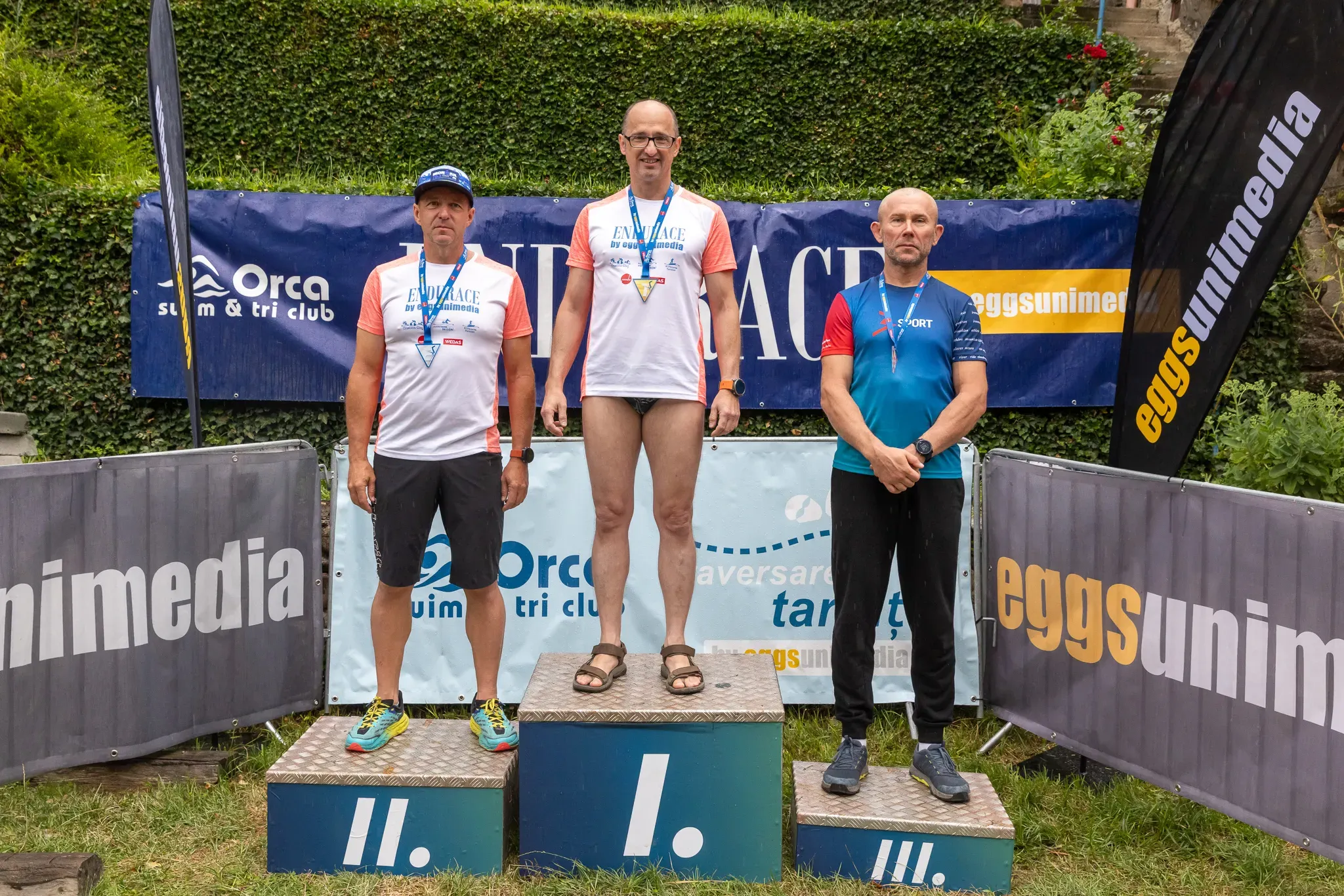
The time that has passed since then has proven that it was worth my while to participate in this advanced workshop: although I had a four-month hiatus in the fall due to an injury, in the two weeks following the course I swam times that were better than some of my previous personal records.
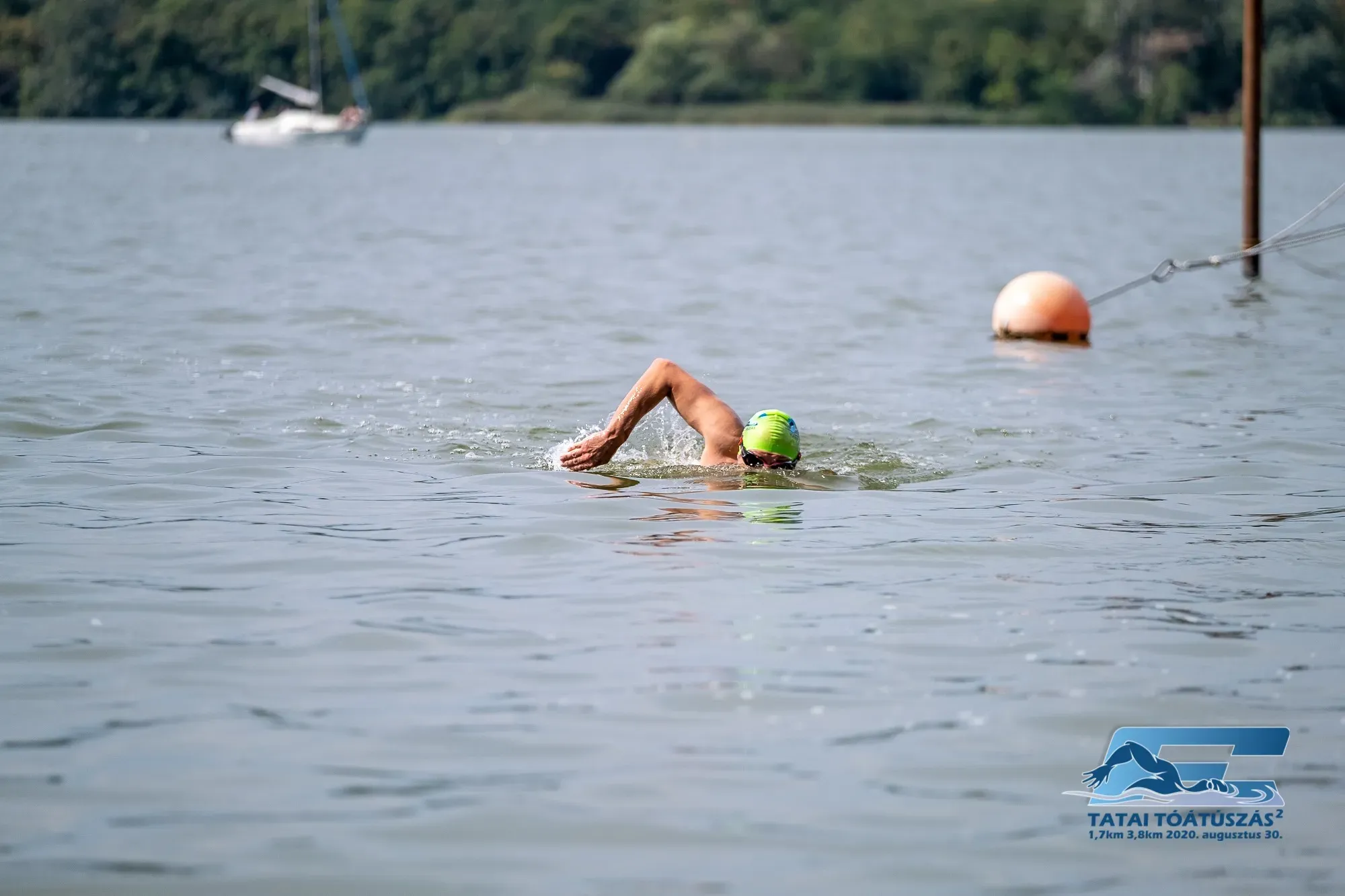
Story by Éva Székely. Istvan Perge is a Hungarian open water swimmer, Total Immersion practitioner, and Vimo beta tester. He competes in endurance open water events across Europe. Photos courtesy of Istvan Perge.
Get early updates on BeatBuddy Pro and be first to know when beta spots open.
We respect your privacy. Unsubscribe at any time.
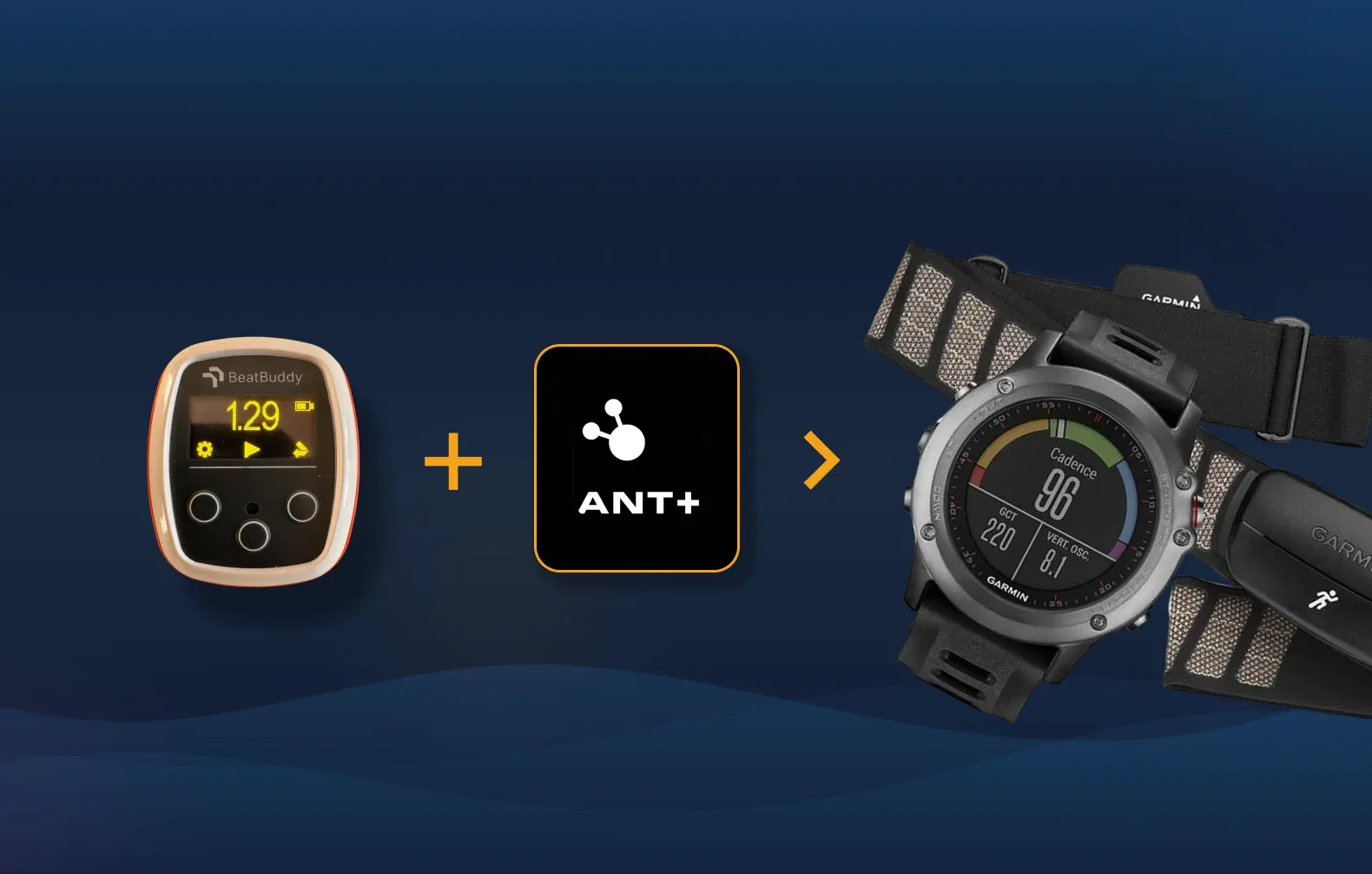
Exploring Apple Watch as a Remote for BeatBuddy
We're researching how Apple Watch could work as a simple remote control for BeatBuddy — here's what we're exploring and why.
Mastering Your Swim Pace: A Guide to Tempo Trainers for Swimmers
Learn how tempo trainers help swimmers improve pacing, endurance, and stroke efficiency. Tips, workout ideas, and integration guide.