

Behind the Scenes
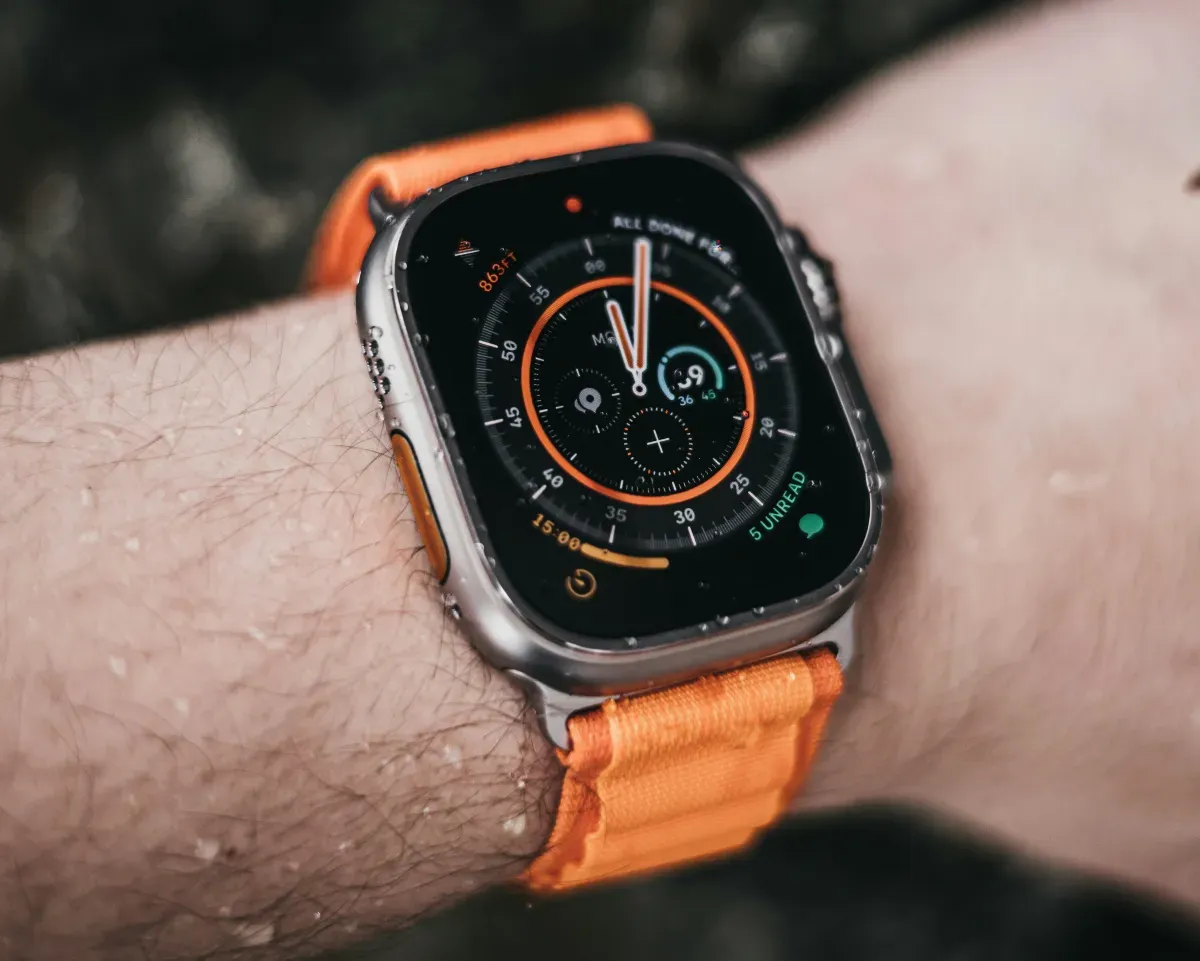
Exploring Apple Watch as a Remote for BeatBuddy
We're researching how Apple Watch could work as a simple remote control for BeatBuddy — here's what we're exploring and why.
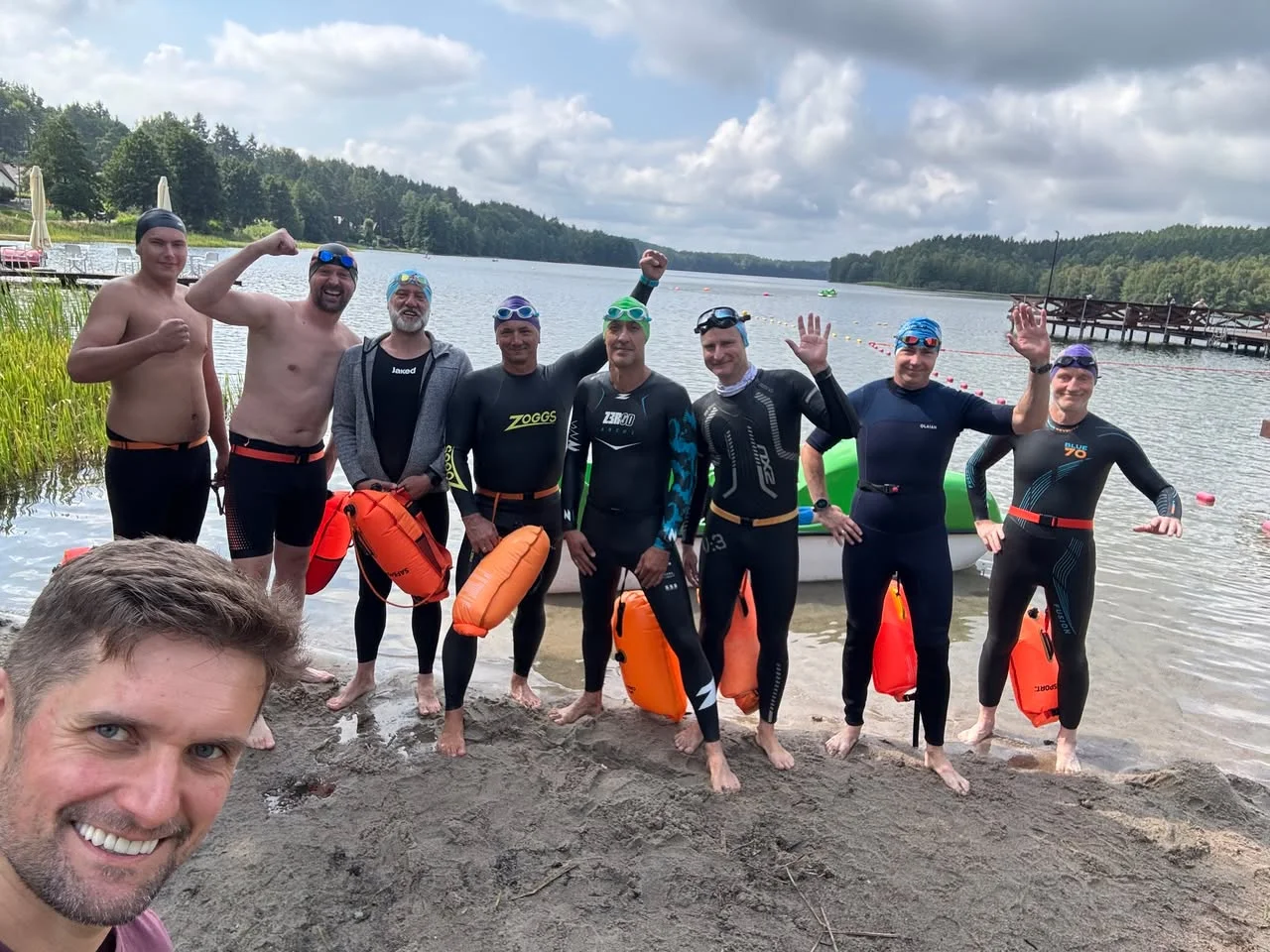
How Total Immersion swimming benefits seniors — from joint protection to cardiovascular health. A guide to rhythm-based training.
Swimming is often called the perfect exercise for older adults. But not all swimming is created equal.
Thrashing through the water with poor technique can strain shoulders, spike blood pressure, and leave you exhausted. Swimming with proper technique and consistent rhythm delivers all the benefits with none of the risks.
That's where the Total Immersion method shines — especially for swimmers over 60.
Joint Protection
Water provides natural buoyancy that reduces joint stress by up to 90%. Perfect for arthritis, joint replacements, chronic pain, or limited mobility.
Cardiovascular Health
Strengthens the heart muscle, improves circulation, lowers blood pressure, and reduces risk of heart disease through sustained, moderate effort.
Respiratory Function
Expands lung capacity, strengthens respiratory muscles, improves oxygen efficiency, and supports overall endurance.
Muscle & Bone Strength
Water resistance builds strength without heavy weights. Engages core, upper body, lower body, and stabilizing muscles.
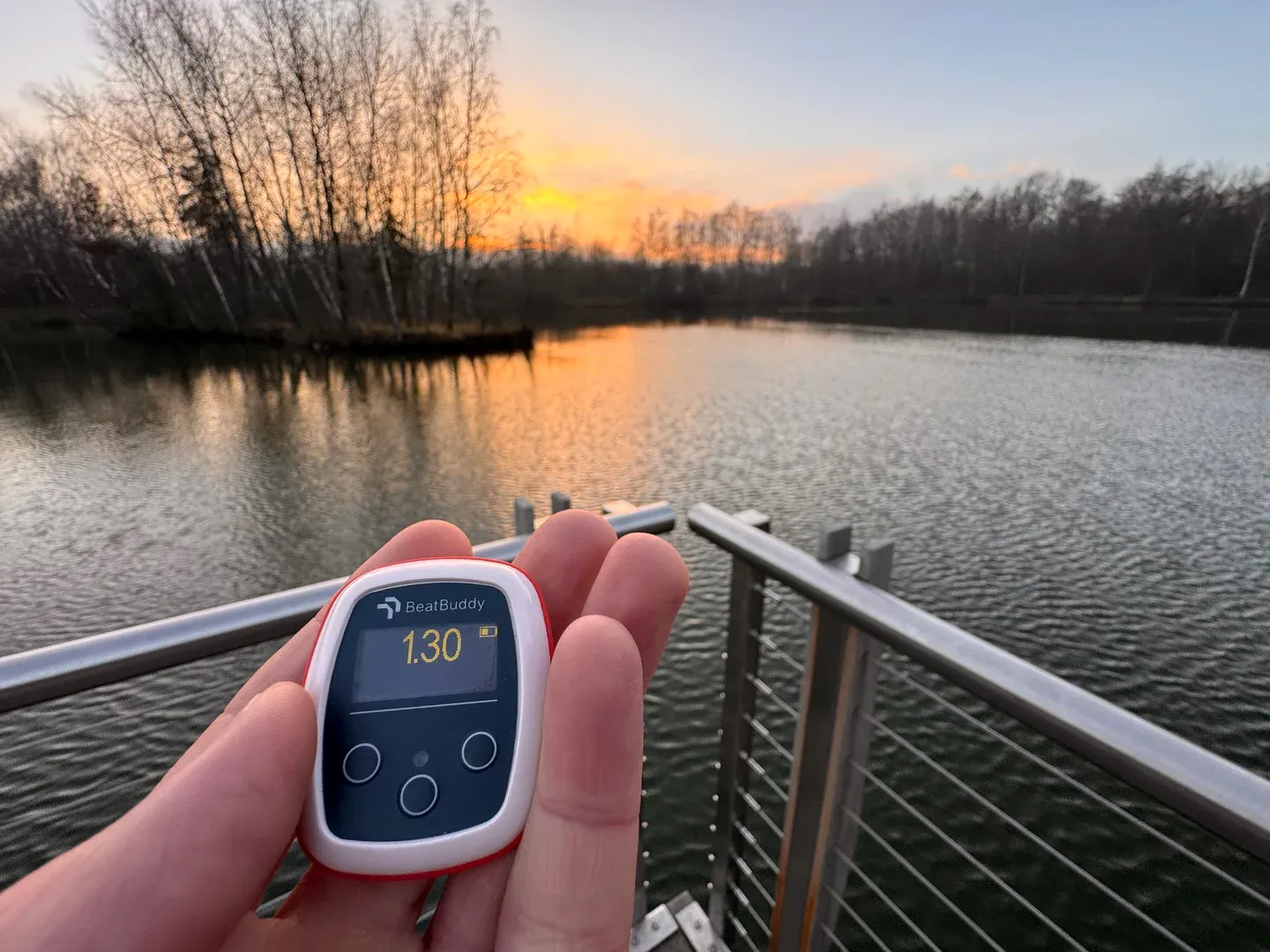
The TI method was designed around efficiency, not effort. Its principles align perfectly with what seniors need:
1. Efficiency Over Effort
Traditional swim instruction emphasizes "working harder." TI teaches you to work smarter — using balance, streamlining, and hip rotation instead of arm strength.
2. Reduced Fatigue
TI swimmers swim longer distances without exhaustion. This means longer, more enjoyable sessions and sustainable exercise habits.
3. Injury Prevention
Proper TI technique reduces common swimming injuries: shoulder impingement, neck strain, and lower back pain.
4. Adaptability
TI can be learned at any fitness level. You don't need to be fast — you need to be efficient.
For swimmers over 60, maintaining steady rhythm provides crucial benefits:
| Benefit | Why It Matters |
|---|---|
| Heart Rate Control | Steady rhythm keeps effort manageable and safe, preventing spikes from irregular strokes |
| Breathing Predictability | Knowing exactly when each breath comes eliminates anxiety |
| Mental Focus | Rhythm gives your mind something to track, replacing worry with purpose |
| Energy Management | Consistent pace prevents the "sprint and gasp" pattern that exhausts older swimmers |
Before swimming laps, focus on:
Add Total Immersion foundation drills:
Add tempo trainer work:
Gradually extend swimming time:
30 minutes Comfortable pace
Duration: 5 minutes
Duration: 10 minutes
Duration: 10 minutes
Duration: 5 minutes
Swimming's benefits extend beyond physical health. For seniors, regular swimming provides:
Stress Reduction
The rhythmic nature of swimming triggers relaxation responses. Water has calming properties — reduced sensory input, gentle pressure, temperature regulation.
Social Connection
Group classes and pool communities offer regular social interaction, shared goals, accountability partners, and new friendships.
Confidence Building
Every improvement — swimming farther, feeling more comfortable, mastering new skills — reinforces positive self-image.
Cognitive Benefits
Swimming coordination engages multiple brain regions, requires focus and presence, and provides mental stimulation.
The Total Immersion community includes swimmers who started after 60, 70, even 80. The method's focus on efficiency rather than athleticism makes it accessible at any age.
Age is no barrier to finding yourself in water.
Get early updates on BeatBuddy Pro and be first to know when beta spots open.
We respect your privacy. Unsubscribe at any time.
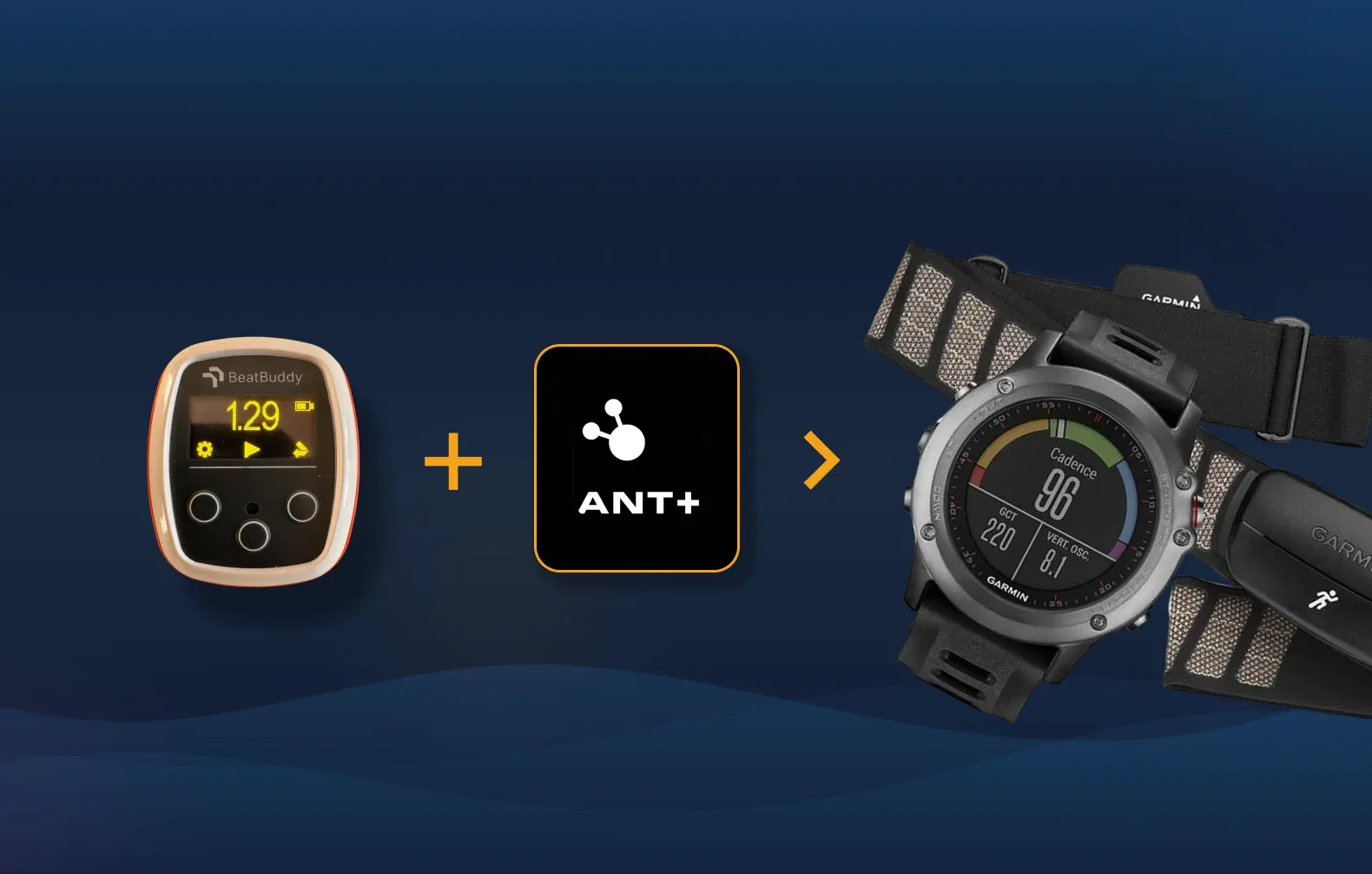

Total Immersion Drills with Tempo Trainer: The Perfect Combination
How to combine Total Immersion drills with tempo trainer work. A guide to Superman Glide, Fish Drill, Skating, and Patient Arm.
The Mathematics of Freestyle Speed: How the Total Immersion Formula Helps Master Swimming Tempo
Learn the P = (SPL × Tempo) + T(G) formula from Total Immersion method. Discover how to precisely control your swimming pace and plan races with second-level accuracy.