

Behind the Scenes
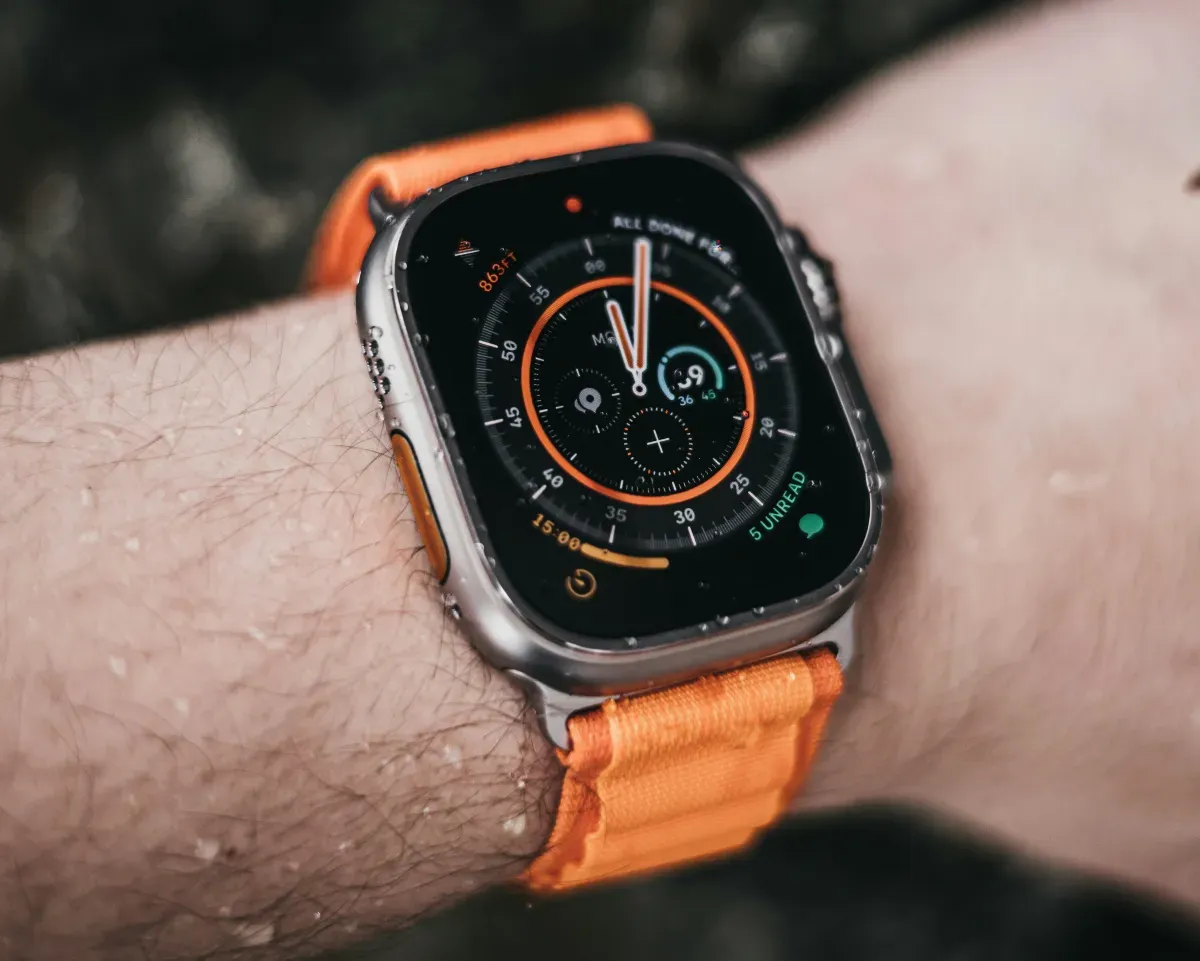
Exploring Apple Watch as a Remote for BeatBuddy
We're researching how Apple Watch could work as a simple remote control for BeatBuddy — here's what we're exploring and why.
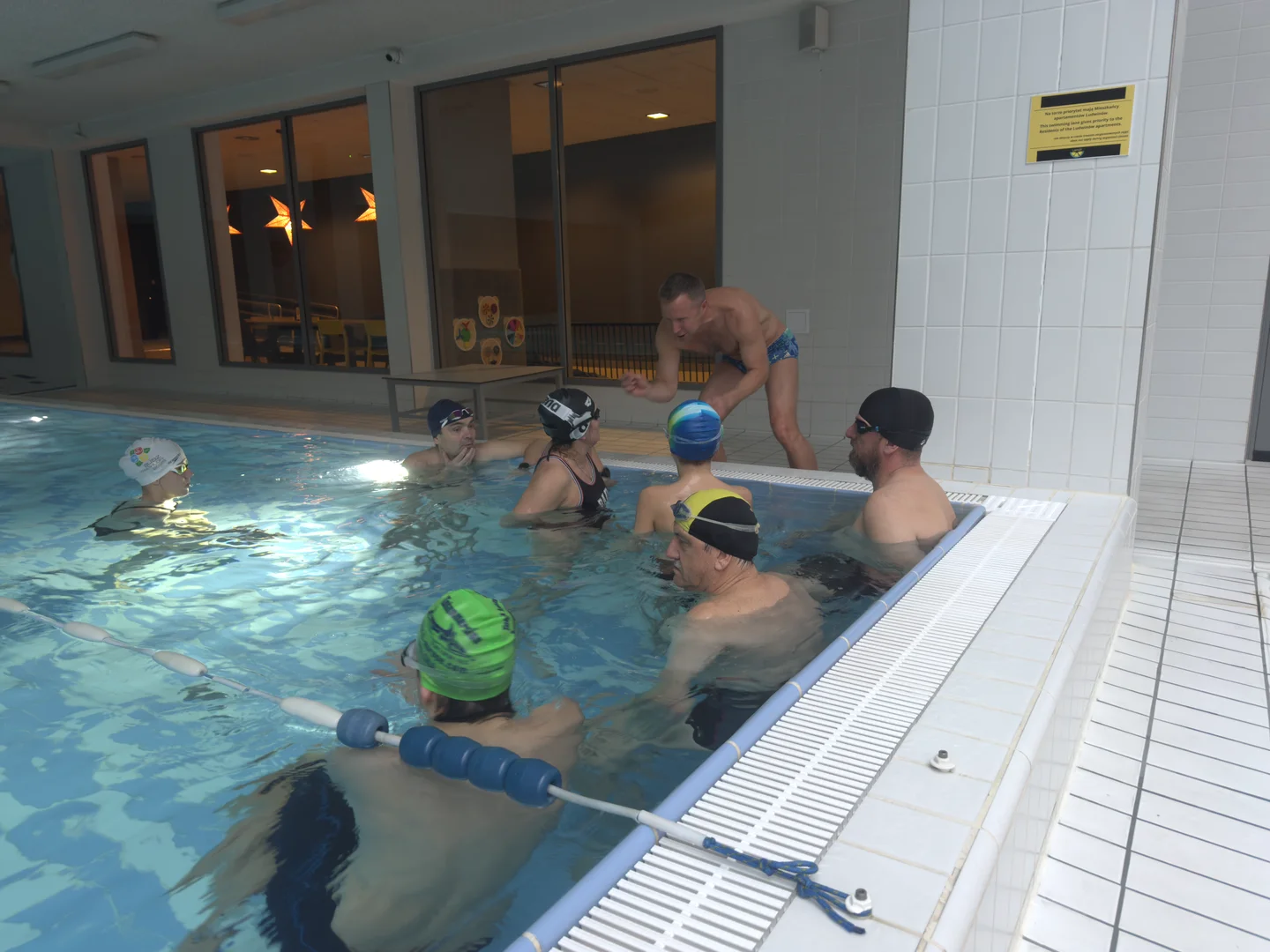
How to combine Total Immersion drills with tempo trainer work. A guide to Superman Glide, Fish Drill, Skating, and Patient Arm.
Total Immersion swimming and tempo trainers are a natural match. TI teaches you how to move efficiently. A tempo trainer teaches you when to move consistently.
Together, they create swimmers who are both technically sound and rhythmically disciplined.
Total Immersion Method
Tempo Trainer Adds
Adding a metronome makes that consciousness measurable.
What it is: Floating face-down with arms extended, body in streamline position.
Purpose: Teaches balance and the feeling of being "supported" by water.
Tempo trainer setting: Not needed for basic Superman Glide — this is about stillness, not rhythm.
Progression with tempo: Once you can hold Superman Glide comfortably, add gentle kicks on each beep (try 1.5-2.0 seconds per beep) to practice rhythmic kicking without losing balance.
What it is: Floating on your side, bottom arm extended, top arm resting on thigh, face looking up.
Purpose: Teaches side balance and the "skating" position you pass through during each stroke.
| Setting | Value |
|---|---|
| Tempo | 2.0-2.5 sec/beep |
How to use:
What it is: Similar to Fish Drill but face-down, body rotated ~45°, one arm extended forward.
Purpose: The fundamental position you move through during freestyle.
| Setting | Value |
|---|---|
| Tempo | 1.5-2.0 sec/beep |
How to use:
What it is: From skating position, recover the trailing arm by dragging thumb up your side (like a zipper), then switch sides.
Purpose: Teaches high elbow recovery and controlled arm movement.
| Setting | Value |
|---|---|
| Tempo | 1.3-1.8 sec/beep |
How to use:
What it is: Full stroke focusing on entering the water fingertips-first, like sliding through a narrow mail slot.
Purpose: Reduces splash and drag from arm entry.
| Setting | Value |
|---|---|
| Tempo | 1.2-1.5 sec/stroke |
How to use:
What it is: One arm waits extended while the other completes a full stroke cycle.
Purpose: Prevents rushed, panicked strokes and teaches stroke patience.
| Setting | Value |
|---|---|
| Tempo | 1.5-2.0 sec/beep |
How to use:
45 minutes All levels
Duration: 10 minutes
Duration: 20 minutes
| Drill | Distance | Tempo | Focus |
|---|---|---|---|
| Fish Drill | 4 x 25m | 2.0 sec | Side balance |
| Skating | 4 x 25m | 1.8 sec | Rotation timing |
| Zipper Switch | 4 x 25m | 1.5 sec | Recovery pattern |
| Patient Arm | 4 x 25m | 1.7 sec | Stroke patience |
Rest 15-20 seconds between each 25m
Duration: 10 minutes
Duration: 5 minutes
Everyone's optimal tempo is different. Here's how to find yours:
Swim 100m at comfortable pace, counting strokes. Note your time and SPL (strokes per length).
Swim 4 x 50m at different tempos:
Your optimal tempo is where:
Going Too Fast Too Soon
Start slow. A 2.0-second tempo feels ridiculously slow at first — that's the point. Master control before adding speed.
Ignoring Technique for Tempo
The tempo trainer is a guide, not a boss. If you can't maintain TI technique at a given tempo, slow down.
Using It Every Workout
Variety matters. Use the tempo trainer 2-3 times per week, not every session.
Forgetting to Internalize
The goal is to eventually swim rhythmically without the device. Periodically swim without it and notice if the rhythm stays.
| Stage | Focus | Tempo Range |
|---|---|---|
| Beginner | Individual drills | 2.0-2.5 sec |
| Intermediate | Drill combinations | 1.5-2.0 sec |
| Advanced | Full stroke with tempo | 1.2-1.5 sec |
| Competitive | Race pace work | 0.9-1.2 sec |
The rhythm you develop with TI drills and tempo training transfers directly to:
Open Water Swimming
Where external rhythm cues don't exist
Triathlon
Where pacing discipline wins races
Long-Distance Swimming
Where efficiency determines endurance
Get early updates on BeatBuddy Pro and be first to know when beta spots open.
We respect your privacy. Unsubscribe at any time.
Triathlon Swimming: Save Energy for the Bike and Run
Why efficient technique matters more than speed in triathlon swimming. Learn how Total Immersion and consistent rhythm save energy.
Swimming After 60: Why Rhythm Makes It Safe and Enjoyable
How Total Immersion swimming benefits seniors — from joint protection to cardiovascular health. A guide to rhythm-based training.