

Behind the Scenes
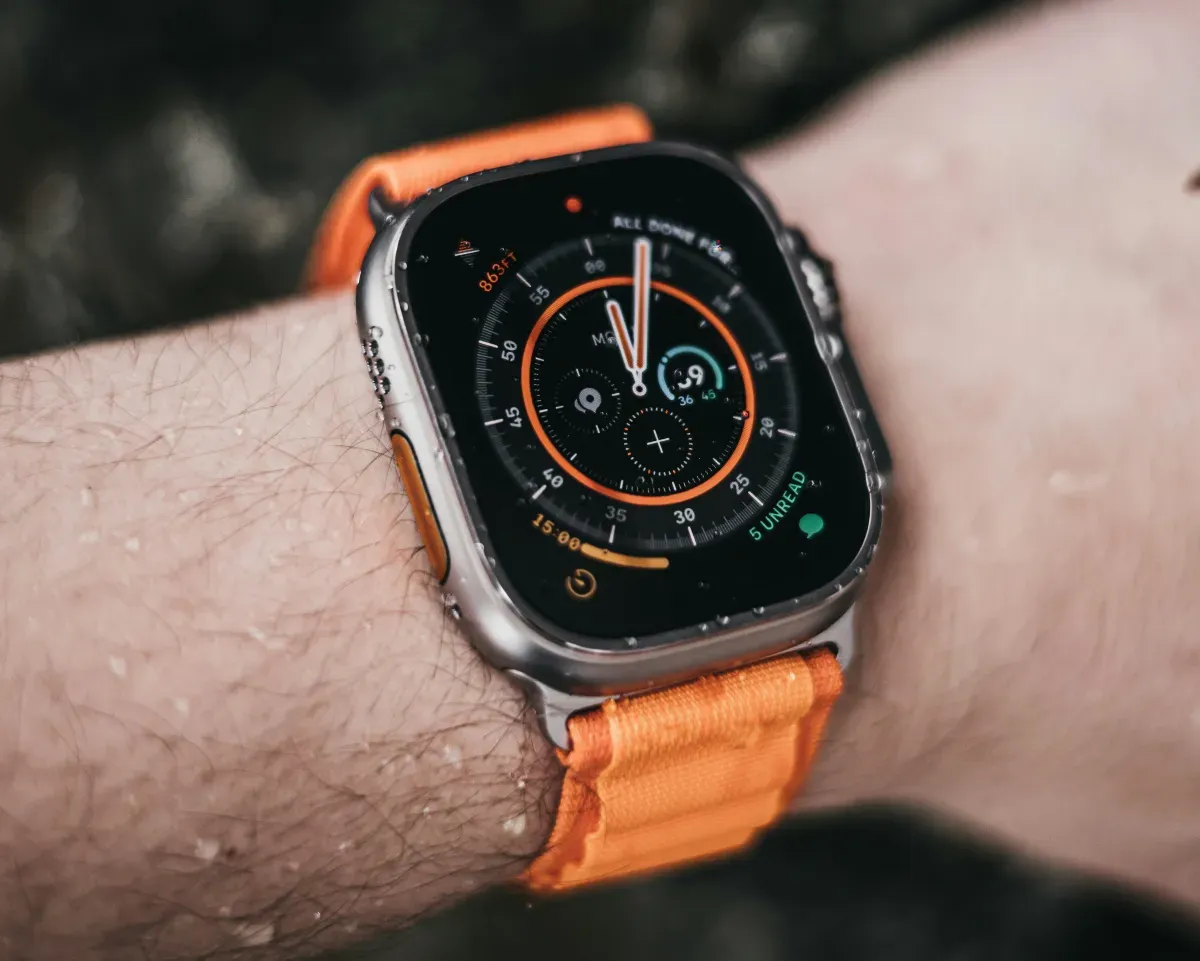
Exploring Apple Watch as a Remote for BeatBuddy
We're researching how Apple Watch could work as a simple remote control for BeatBuddy — here's what we're exploring and why.
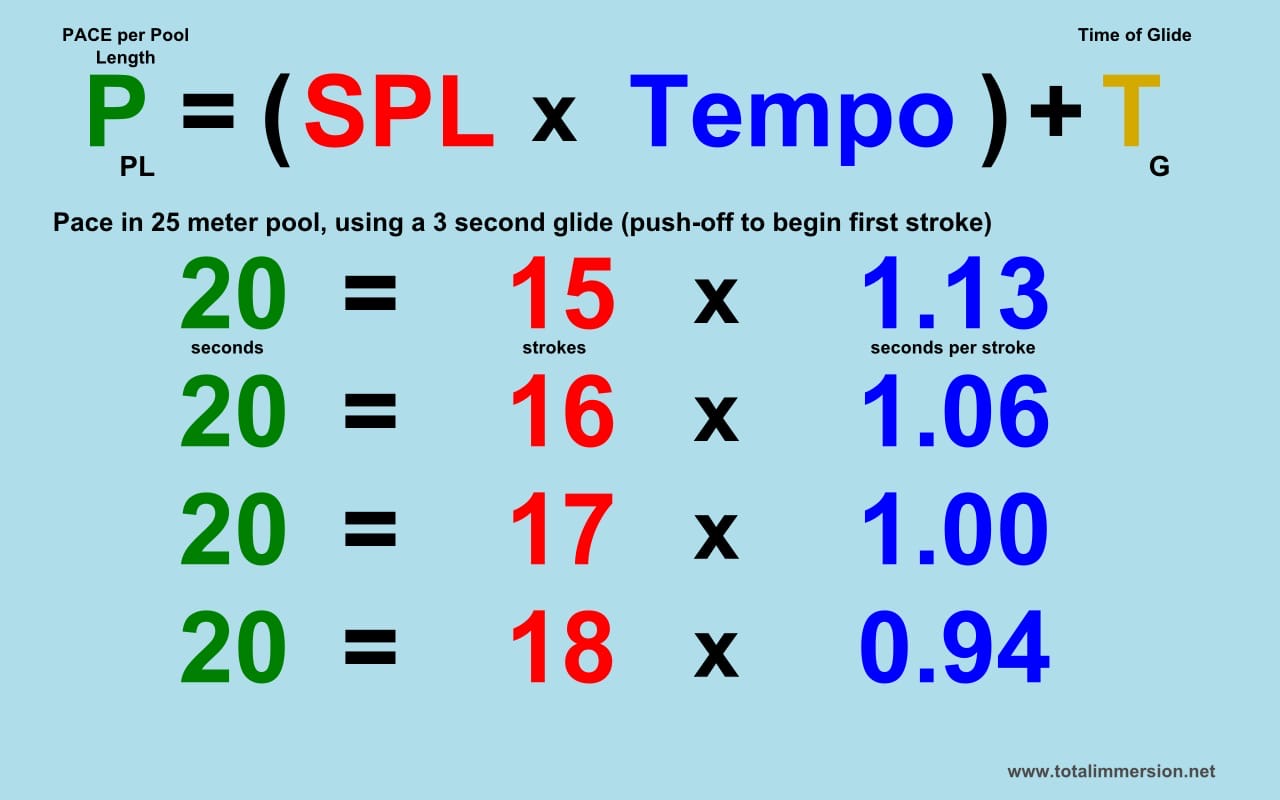
Learn the P = (SPL × Tempo) + T(G) formula from Total Immersion method. Discover how to precisely control your swimming pace and plan races with second-level accuracy.
Most recreational swimmers approach training intuitively: "swimming faster = working harder." The Total Immersion (TI) method completely reverses this thinking. Instead of fighting the water, you learn to "outsmart" it through precise control of two variables: stroke count (SPL) and the tempo of each stroke.
Total Immersion founder Terry Laughlin developed a simple mathematical formula that allows you to predict your time for any distance with second-level accuracy – no guessing, no "feeling."
The basic relationship looks like this:
P(PL) = (SPL × Tempo) + T(G)
Where:
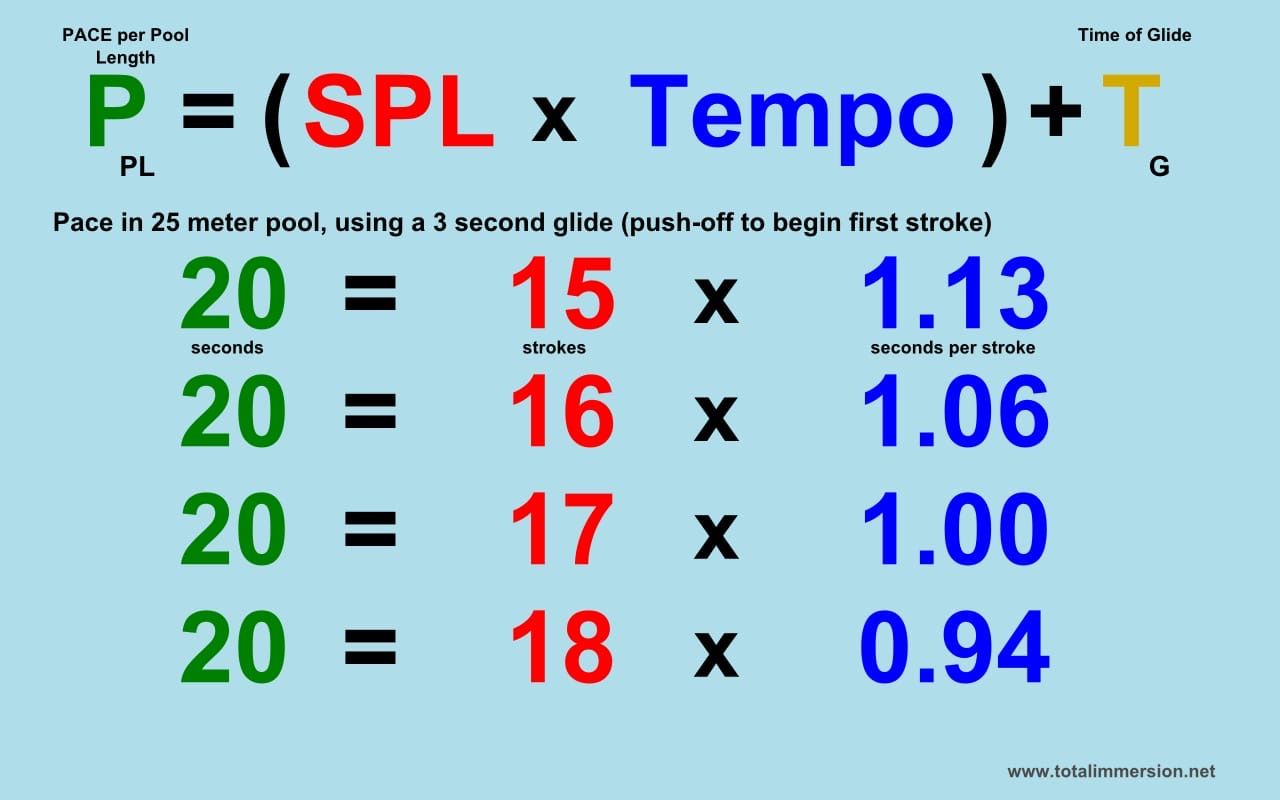
Let's assume a standard glide time T(G) = 3 seconds. Here's how different SPL and Tempo combinations translate to the same 20-second time per length:
| Time (sec) | SPL (strokes) | Tempo (sec/stroke) |
|---|---|---|
| 20 | 15 | 1.13 |
| 20 | 16 | 1.06 |
| 20 | 17 | 1.00 |
| 20 | 18 | 0.94 |
What does this mean in practice? You can swim at an identical pace of 20 sec/25m, but in completely different ways:
Which version is better? It depends on the distance and your predispositions. But the key is that both produce the same result – and you can consciously train both.
Time for a single pool length is just the beginning. Most swimmers think in terms of 100 meters or pace per minute. Here's how to convert:
100m time ≈ (25m time × 4) + turn correction
For recreational swimmers, turns add about 1-2 seconds each (3 turns per 100m). For skilled swimmers with flip turns – practically zero.
| Time/25m | Time/100m (no flip turn) | Time/100m (with flip turn) | Pace min:sec/100m |
|---|---|---|---|
| 18 sec | ~1:17 | ~1:12 | 1:12 - 1:17 |
| 20 sec | ~1:25 | ~1:20 | 1:20 - 1:25 |
| 22 sec | ~1:33 | ~1:28 | 1:28 - 1:33 |
| 25 sec | ~1:45 | ~1:40 | 1:40 - 1:45 |
| 30 sec | ~2:05 | ~2:00 | 2:00 - 2:05 |
Going back to our SPL × Tempo table example:
Knowing this relationship allows you to plan realistic race goals. If you want to swim 1500m under 30 minutes, you need a pace of about 2:00/100m, which means 30 seconds per length – and now you know exactly which SPL × Tempo combinations make that possible.
Without an external signal, maintaining a steady tempo is nearly impossible. Your brain naturally "wanders" – sometimes speeding up, sometimes slowing down, often without you even knowing.
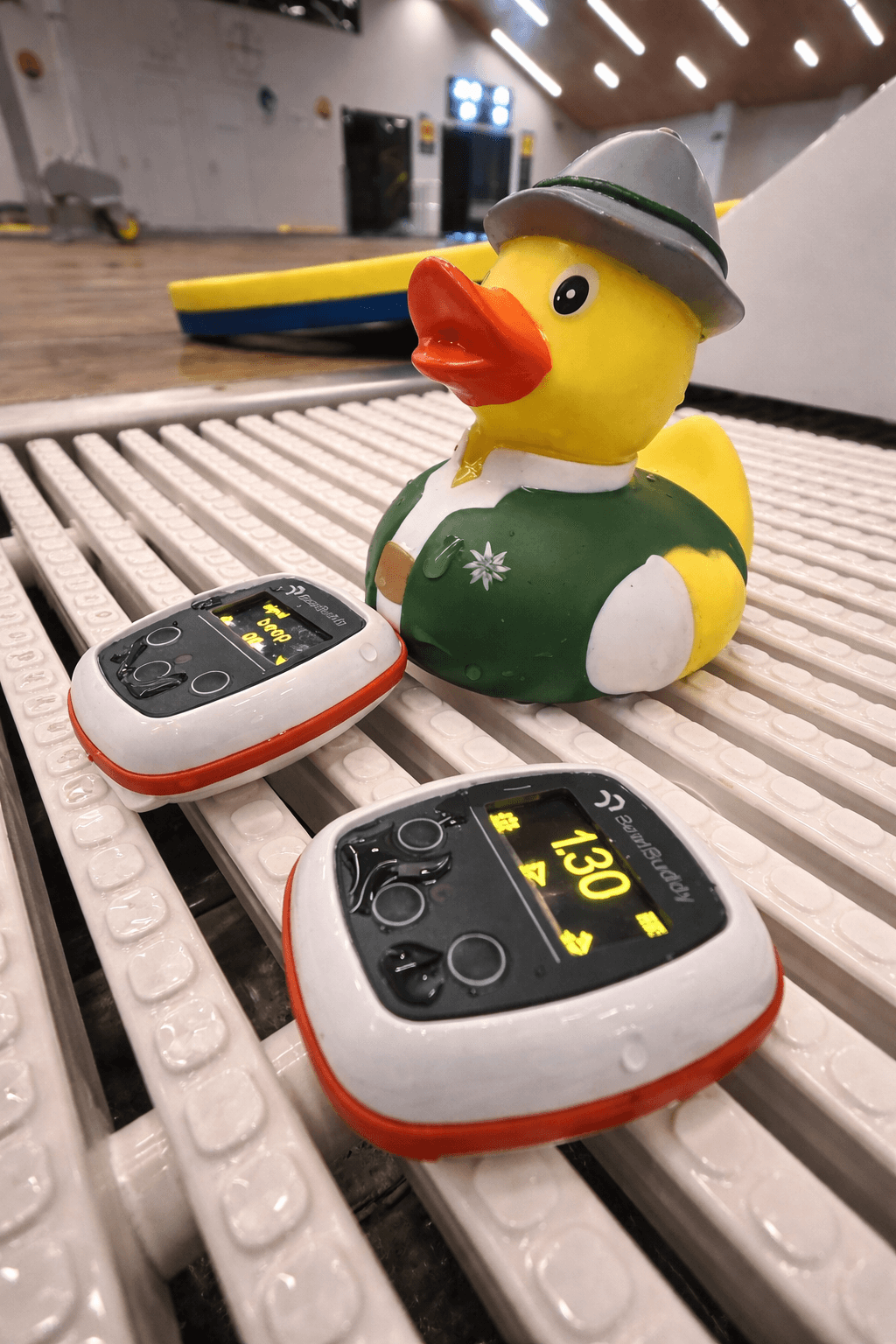
A tempo trainer (swimming metronome) solves this problem. You set a tempo, for example 1.10 seconds per stroke, and get an audio or vibration signal with each cycle. Your task? Synchronize your stroke with the signal.
The result? After a few weeks of training with a metronome:
Swim 4×25m at a comfortable pace. Count strokes (SPL) on each length. Measure time.
Tempo = (Time per length – Glide time) ÷ SPL
Example: You swim 25m in 22 seconds, take 16 strokes, glide lasts ~3 seconds.
Tempo = (22 - 3) ÷ 16 = 1.19 sec/stroke
Start with your current tempo. For several workouts, focus solely on synchronizing with the signal while maintaining the same stroke count.
Reduce tempo by 0.02-0.03 seconds. Can you maintain the same SPL? If yes – you just swam faster without additional effort.
Total Immersion introduces the concept of the Green Zone – the optimal SPL range for your height. This is the stroke count at which your technique is most efficient.
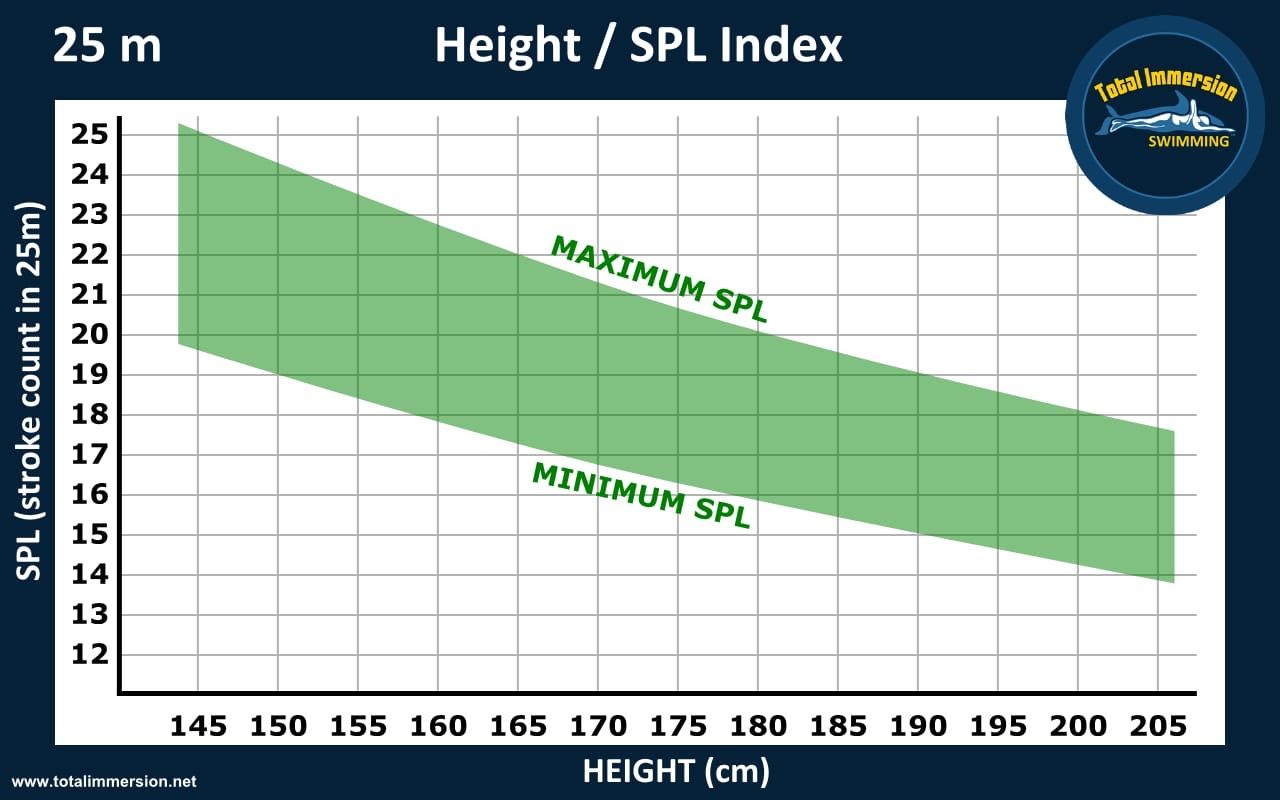
Approximate Green Zone values for freestyle in a 25m pool:
If your SPL is significantly higher than the Green Zone for your height, you have room for technique improvement (balance, torso rotation, streamline). If it's within range – focus on tempo training.
Warm-up: 200m freestyle, counting strokes
Main set:
Rest: 10 metronome "beeps" between sets (instead of looking at the clock)
Cooldown: 100m with maximum stroke length, no metronome
Classic tempo trainers offer one tempo per workout. BeatBuddy Pro goes further – you can program an entire interval series: 30 seconds @ 1.20, then 30 seconds @ 1.15, then 30 seconds @ 1.10.
Additionally, you get triple feedback: piezo sound, vibration, and LED signal. In a noisy public pool, you can rely on vibration; in calm open water – on sound.
Integration with Garmin watches via Bluetooth Low Energy is already available, and ANT+ protocol support is currently in development. This will enable even broader compatibility with the Garmin ecosystem and training data synchronization with the BeatBuddy Lens app.
The Total Immersion formula isn't theory – it's a practical tool. Knowing the relationship P = (SPL × Tempo) + T(G) allows you to:
A swimming metronome is your partner in this process. Without it, the formula remains just numbers on paper. With it – it becomes a tool for transforming your swimming.
Article created in collaboration with Total Immersion coaches. Graphics represent original materials from totalimmersion.net.
Want to learn more about metronome training? Sign up for our newsletter for tips and updates on BeatBuddy Pro.
Get early updates on BeatBuddy Pro and be first to know when beta spots open.
We respect your privacy. Unsubscribe at any time.
Swimming After 60: Why Rhythm Makes It Safe and Enjoyable
How Total Immersion swimming benefits seniors — from joint protection to cardiovascular health. A guide to rhythm-based training.
HIIT Timer Modes Explained: Tabata, EMOM, and AMRAP Workouts
Master the three most effective HIIT timer protocols. Learn how Tabata, EMOM, and AMRAP workouts differ and how to use them for maximum results.