

Behind the Scenes
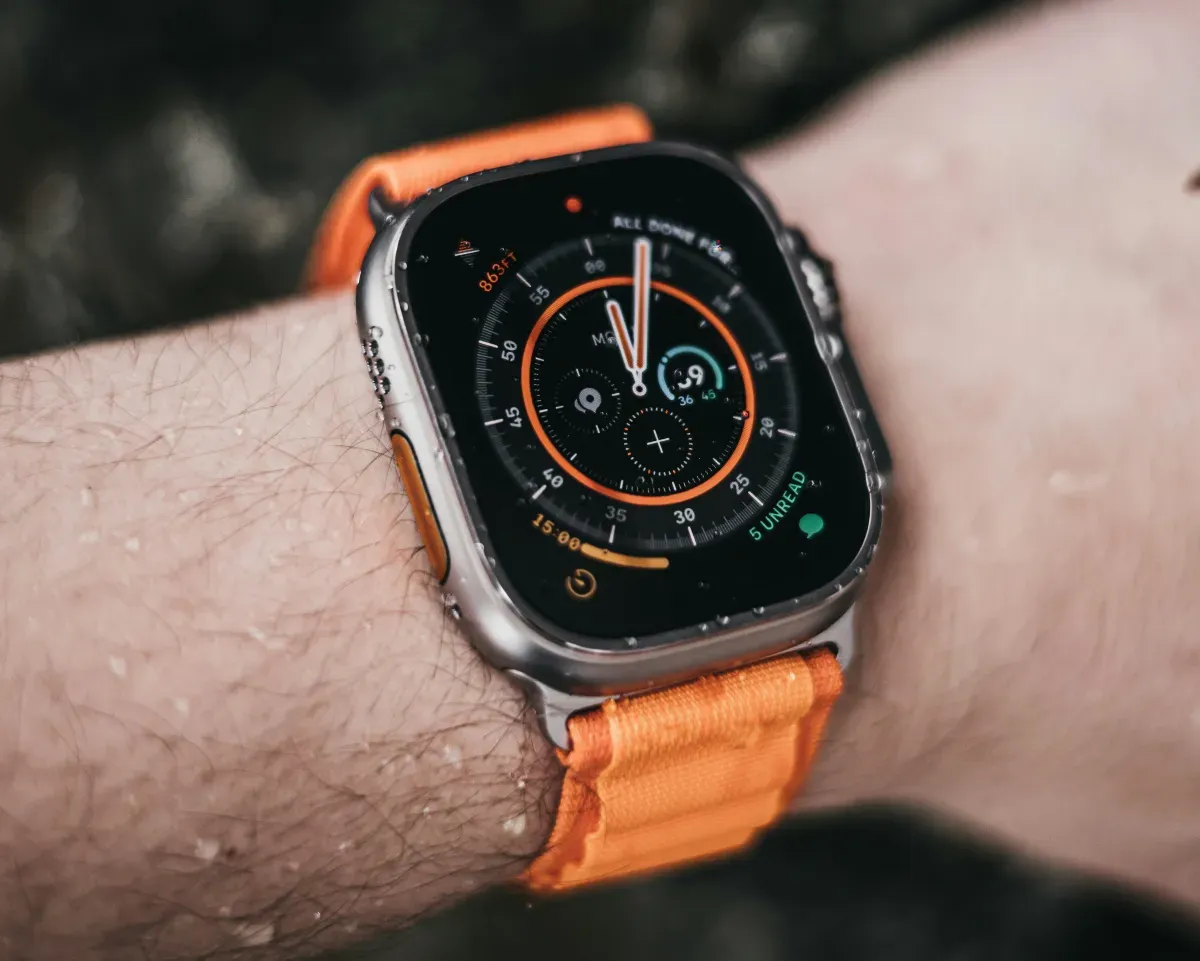
Exploring Apple Watch as a Remote for BeatBuddy
We're researching how Apple Watch could work as a simple remote control for BeatBuddy — here's what we're exploring and why.
Why efficient technique matters more than speed in triathlon swimming. Learn how Total Immersion and consistent rhythm save energy.
Here's a truth that many triathletes learn the hard way: the swim leg isn't about winning — it's about not losing the race before it starts.
In a sprint triathlon, the swim is typically 750 meters — about 10-15 minutes for most age-group athletes. The bike is 20 km, the run is 5 km.
The smartest triathletes swim efficiently, not fast.
Consider two swimmers covering 750 meters:
| Swimmer | Time | Heart Rate | Energy Cost | Recovery |
|---|---|---|---|---|
| Fighter | 12:00 | 170 bpm | High | Slow |
| Efficient | 13:00 | 140 bpm | Low | Fast |
The TI method was practically designed for triathletes. Its core principles:
Balance
A stable body position reduces drag and conserves energy throughout the swim.
Streamline
Slip through water, don't push through it. Less resistance means less effort.
Hip-Driven Propulsion
Use your core, save your arms for the bike. Power comes from rotation, not pulling.
In open water triathlon swims, you face:
No Lane Lines
No guidance for direction or distance
Rough Conditions
Waves, chop, and currents affect your stroke
Contact
Other swimmers bumping into you
Adrenaline
Your body pushes you to sprint at the start
A consistent stroke rhythm acts as your anchor:
Training with a swimming metronome teaches your body to maintain rhythm automatically.
| Benefit | How It Helps |
|---|---|
| Pacing discipline | Learn to resist the urge to sprint |
| Breathing consistency | Rhythm and breath become synchronized |
| Mental focus | The beep gives your mind something to track |
| Race-day confidence | You know exactly what sustainable pace feels like |
Even a few minutes of swimming helps prepare your body for the effort ahead.
Let the sprinters burn out ahead of you. You'll catch them later.
Within the first 100 meters, lock into your practiced cadence.
Every 6-8 strokes, not constantly. Minimize disruption to your rhythm.
Instead of endless laps at random pace:
Drill Work
30% of your swim training should be technique drills
Tempo Training
Practice at your race cadence, not faster
Open Water Practice
Pool skills don't automatically transfer
Brick Workouts
Swim-to-bike transitions reveal energy management issues
Most age-group triathletes do the opposite — and wonder why they fade on the run.
These TI drills specifically help triathlon swimming:
Teaches balance and streamline position. Start every swim session with this drill to establish proper body position before adding arm movements.
Builds hip rotation awareness and teaches you to "ride" each stroke. Essential for developing efficient power transfer.
Prevents rushed, panicked strokes — crucial for open water starts when adrenaline is high and everyone around you is sprinting.
Practice breathing on both sides for flexibility in races. This helps with sighting and adapting to choppy conditions.
Here's a sample week for a sprint triathlon swimmer:
4-5 km/week Quality over quantity
1500m Easy
1000m Tempo
2000m Mixed
Open Water
The biggest change for triathletes isn't physical — it's mental. You must accept:
Get early updates on BeatBuddy Pro and be first to know when beta spots open.
We respect your privacy. Unsubscribe at any time.
Swimming as Meditation: How Rhythm Reduces Stress
The science behind swimming's mental health benefits — from cortisol reduction to flow states. Why rhythmic movement in water reduces stress.
Total Immersion Drills with Tempo Trainer: The Perfect Combination
How to combine Total Immersion drills with tempo trainer work. A guide to Superman Glide, Fish Drill, Skating, and Patient Arm.