

Behind the Scenes
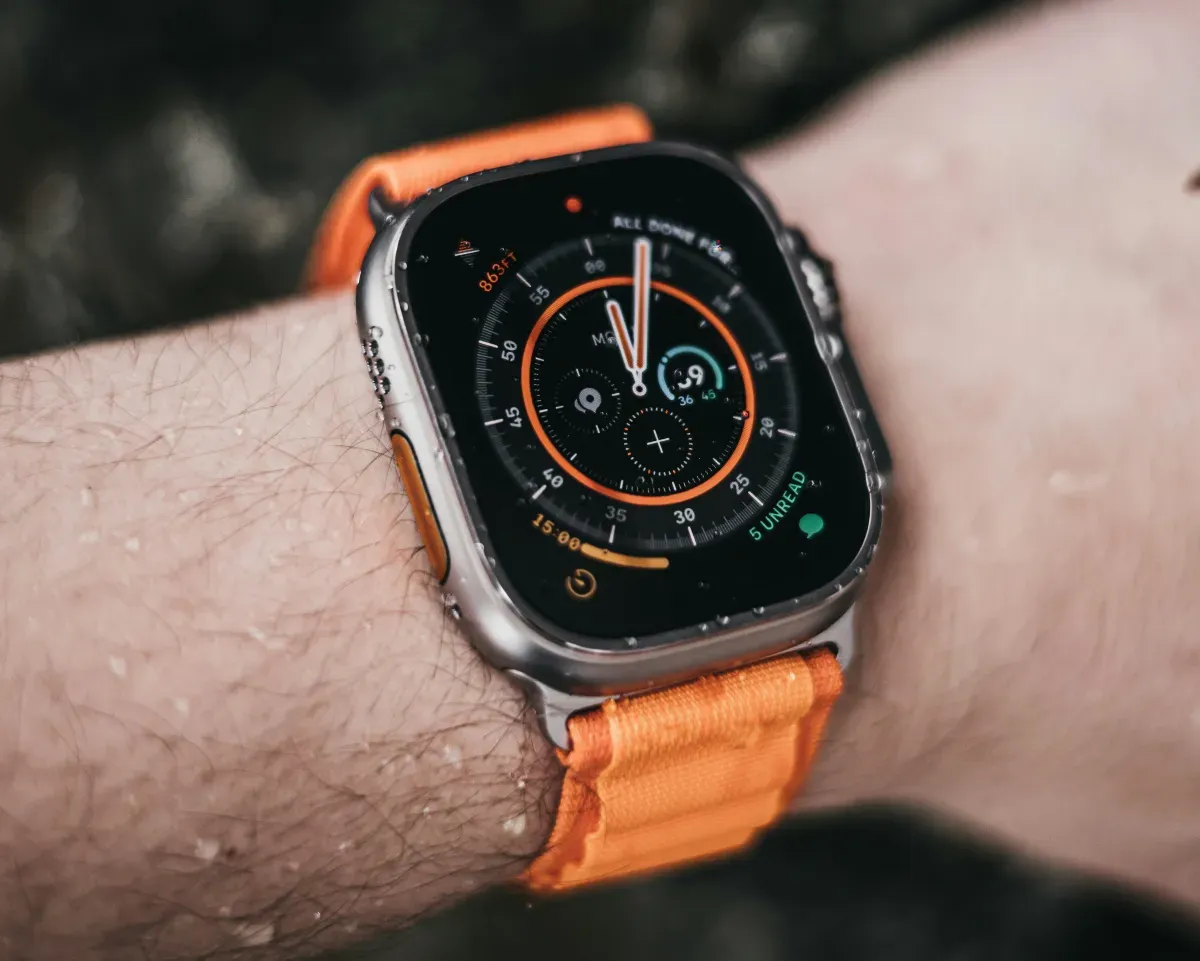
Exploring Apple Watch as a Remote for BeatBuddy
We're researching how Apple Watch could work as a simple remote control for BeatBuddy — here's what we're exploring and why.

The science behind swimming's mental health benefits — from cortisol reduction to flow states. Why rhythmic movement in water reduces stress.
There's a reason swimmers often describe their laps as "moving meditation." The combination of rhythmic movement, controlled breathing, and water's natural properties creates a uniquely calming experience.
But this isn't just subjective feeling — there's science behind it.
Water has natural relaxing properties. The moment you submerge, several things happen:
Combined with rhythmic swimming movements, this environment becomes ideal for stress reduction.

Rhythmic movements and controlled breathing lower cortisol (the stress hormone) levels. The repetitive nature of swimming strokes creates a physiological relaxation response similar to what happens during meditation.
Like all exercise, swimming triggers endorphin release. But swimming has an advantage — the low-impact nature means you can sustain activity longer without joint stress, maximizing the mood-boosting effect.
This is where rhythm becomes critical. The coordinated movements and breathing patterns create a meditative effect:
This repetition focuses the mind on a single point — similar to counting breaths in traditional meditation.
"The coordinated movements and breathing patterns create a meditative effect similar to mindfulness practices."
Regular water training builds capacity to handle daily challenges more effectively. The discipline of maintaining rhythm under physical stress transfers to mental resilience outside the pool.
Physical exertion combined with mental relaxation promotes deeper, more restorative rest. Many swimmers report that evening sessions significantly improve sleep quality.
Progressive skill development and fitness gains strengthen self-image and emotional stability. Every improvement — faster times, longer distances, better technique — reinforces positive self-perception.
Here's what makes swimming unique among exercises: the rhythm is non-negotiable.
In running or cycling, you can vary your pace chaotically. In swimming, irregular rhythm means:
The water itself demands consistency. This forced rhythmic pattern is exactly what creates the meditative effect.
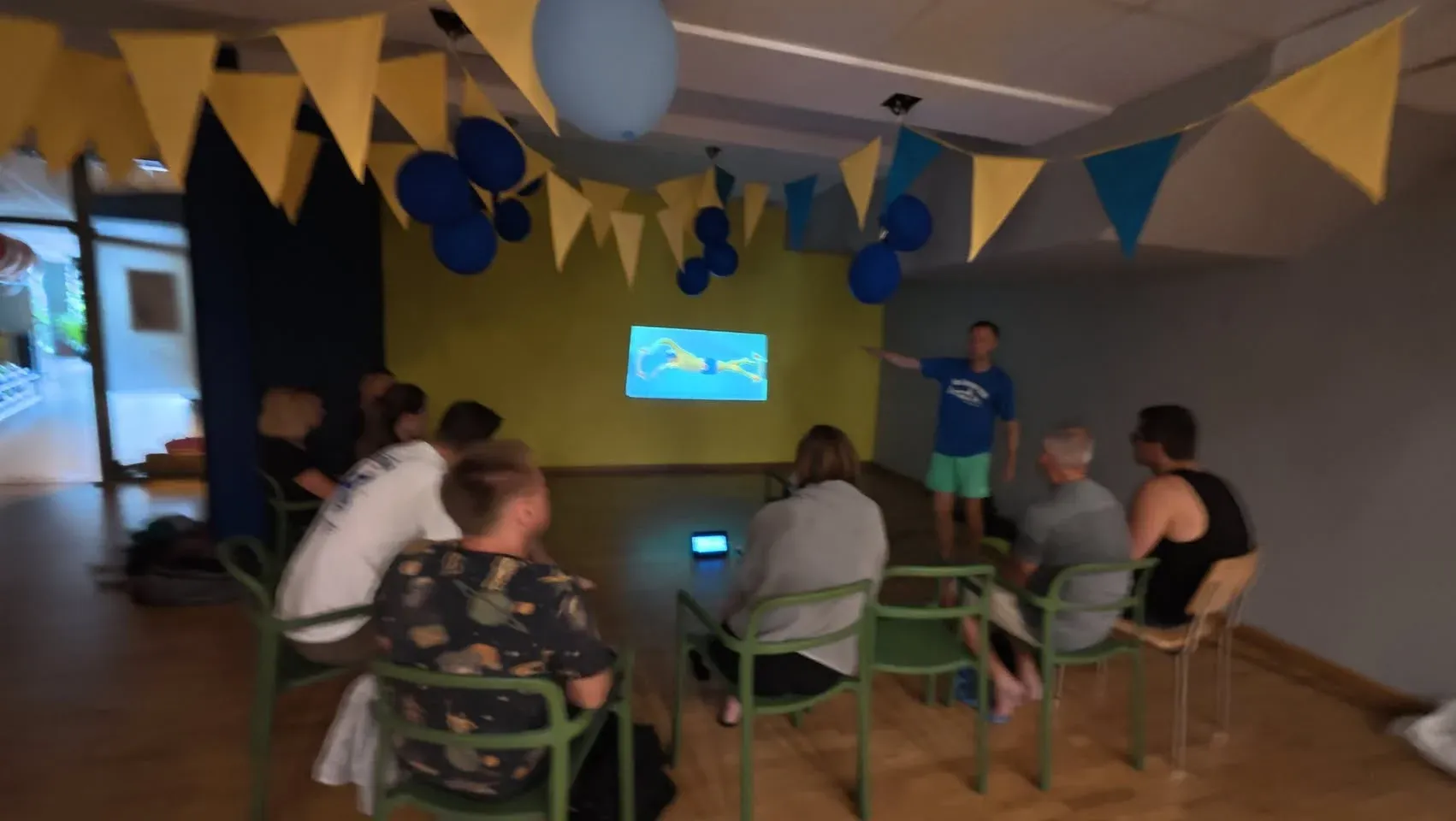
The Total Immersion method explicitly embraces this mind-body connection. As instructor Daniel Bobrowski describes it:
"Total Immersion is conscious, logical swimming that conserves energy."
The approach resembles Tai Chi — based on physics and balance, not force. Every movement is intentional, every breath is planned.
A swimming metronome can serve as a meditation anchor. Instead of counting strokes mentally, you follow an external rhythm — freeing your mind while maintaining perfect consistency.
This is especially valuable when:
These benefits are particularly valuable for swimmers over 60. The Total Immersion method's emphasis on efficiency over effort makes it accessible regardless of fitness level, while delivering the same stress-reduction and mental clarity benefits.
Low-impact movement, reduced joint stress, and the meditative rhythm create an ideal activity for maintaining both physical and mental health with age.
Ready to experience swimming as meditation? Start with rhythm. Join our newsletter for tips on mindful swimming and updates on BeatBuddy Pro.
Get early updates on BeatBuddy Pro and be first to know when beta spots open.
We respect your privacy. Unsubscribe at any time.

Swimming 42 km in 24 Hours: Lessons from Ultra-Distance Champions
What does it take to swim 42km? Insights from Total Immersion athletes who conquered 24-hour challenges and how rhythm makes it possible.
Triathlon Swimming: Save Energy for the Bike and Run
Why efficient technique matters more than speed in triathlon swimming. Learn how Total Immersion and consistent rhythm save energy.