

Behind the Scenes
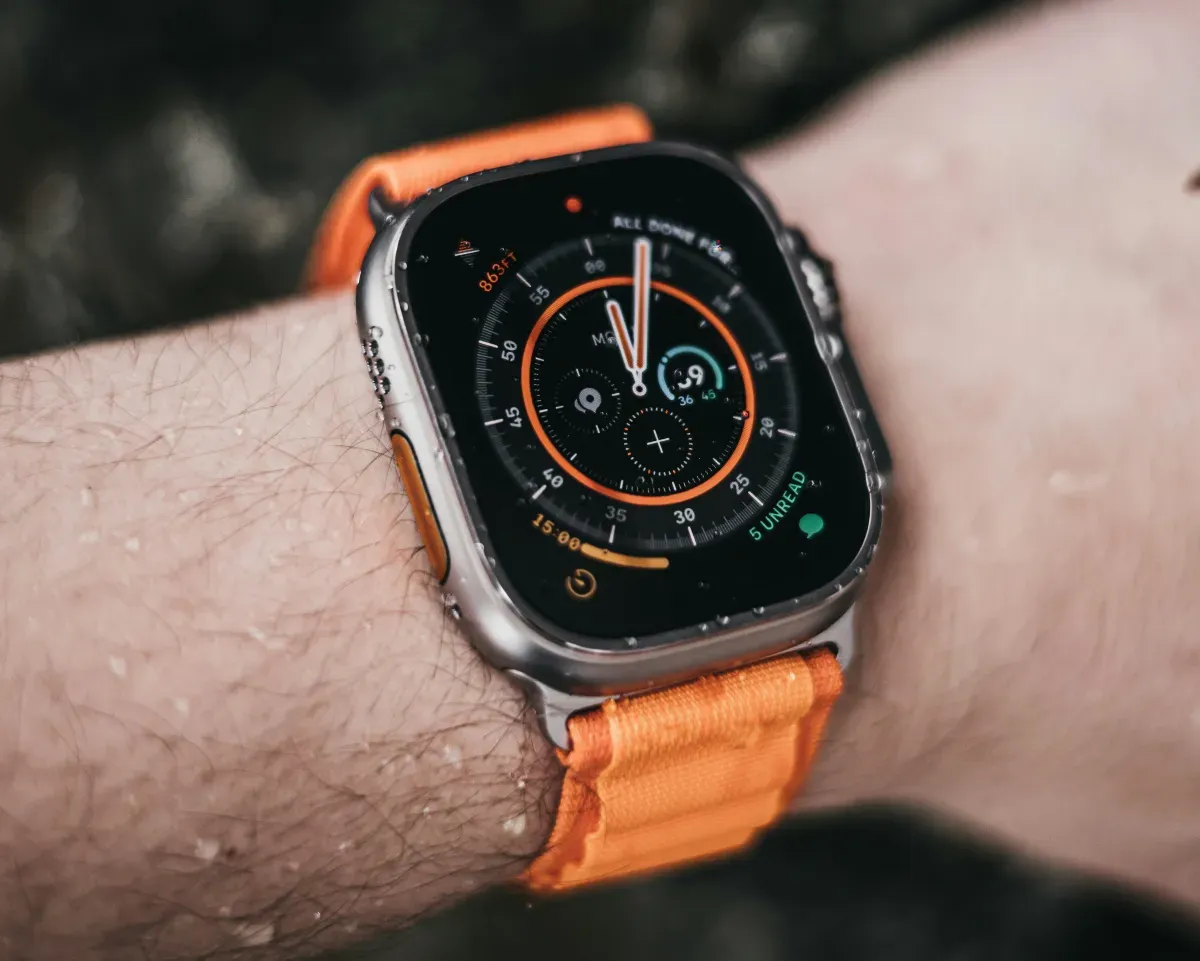
Exploring Apple Watch as a Remote for BeatBuddy
We're researching how Apple Watch could work as a simple remote control for BeatBuddy — here's what we're exploring and why.
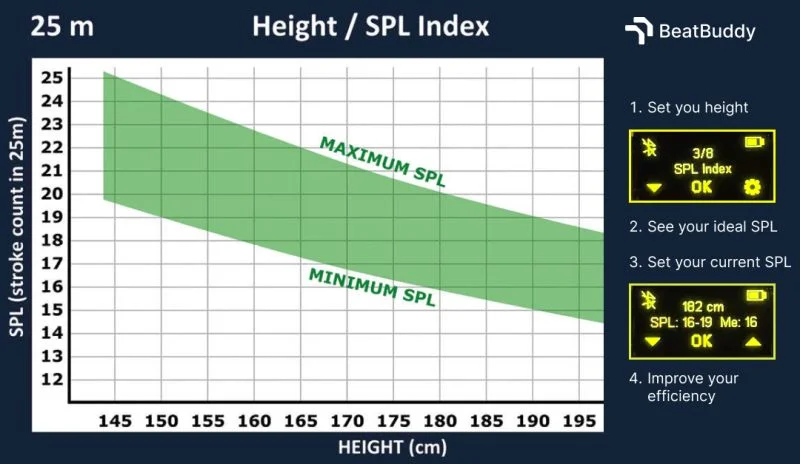
Many swimmers obsess over speed, but SPL (Strokes Per Length) is a direct indicator of swimming efficiency. Learn what's good for your height.
Do you know the hidden metric that transforms your swimming? Many swimmers obsess over speed and distance — but they're missing a crucial indicator.
SPL (Strokes Per Length) measures how many strokes you take to cover 25 meters. It's a direct indicator of your swimming efficiency and technique quality.
SPL stands for Strokes Per Length. To calculate yours:
For front crawl, you count each hand entry. For breaststroke, each arm pull cycle counts as one.
It depends on your height, because taller swimmers naturally cover more distance per stroke:
| Height | Target SPL (Freestyle) |
|---|---|
| 160-165 cm | 18-22 strokes |
| 165-170 cm | 17-21 strokes |
| 170-175 cm | 16-20 strokes |
| 175-180 cm | 16-20 strokes |
| 180-185 cm | 15-19 strokes |
| 185-190 cm | 15-19 strokes |
| 190+ cm | 14-18 strokes |
Note: These are targets for efficient, relaxed swimming. During sprints, SPL naturally increases as you trade efficiency for speed.
Lower SPL = longer strokes = better technique = less energy wasted.
Here's what high SPL often indicates:
And what optimized SPL indicates:
The magic happens when you combine SPL with stroke rate (tempo):
Pace = (SPL × Tempo) + Glide Time
This is the Total Immersion formula. It means you can swim faster by:
Elite swimmers often train both variables separately, then combine them for racing.
Keep a simple log:
Over weeks and months, you should see your efficient SPL decrease.
Count your strokes on your next swim session. Do 4×50m at easy pace and record your SPL for each length.
Then ask yourself:
Track it over time. As your technique improves, you'll see that number drop.
What's your current SPL? Many swimmers are surprised when they first count — it's often higher than expected. The good news: there's almost always room to improve.
Get early updates on BeatBuddy Pro and be first to know when beta spots open.
We respect your privacy. Unsubscribe at any time.
Rhythm in Sport: Why Metronomes Work for Athletes
In sport, rhythm is the difference between chaos and control. How metronomes help athletes in swimming, running, and cycling.
Eight Months Into BeatBuddy Pro: No Wins Yet, But We're Not Giving Up
Building something real takes time. For eight months, we've been pouring energy into BeatBuddy Pro. We've hit roadblocks. Tested. Tried again.