

Behind the Scenes
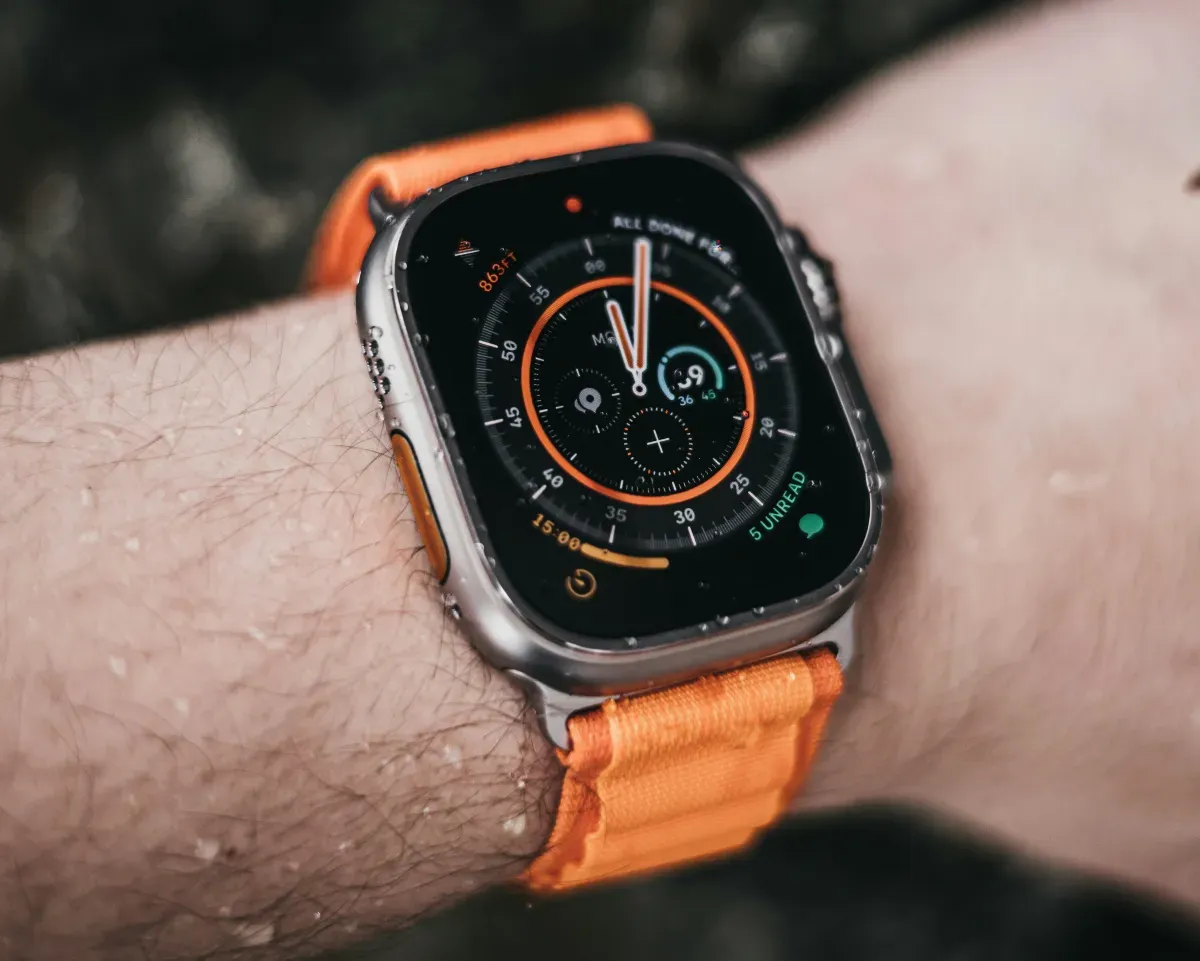
Exploring Apple Watch as a Remote for BeatBuddy
We're researching how Apple Watch could work as a simple remote control for BeatBuddy — here's what we're exploring and why.
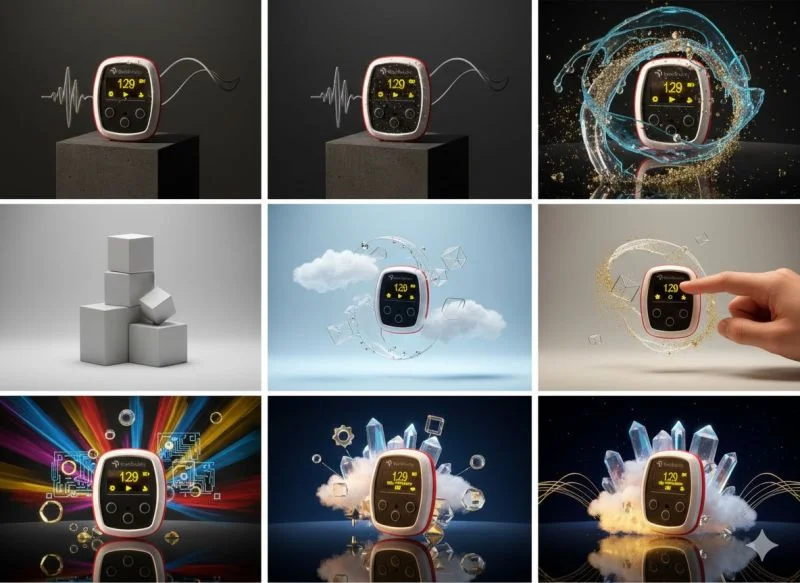
In sport, rhythm is the difference between chaos and control. How metronomes help athletes in swimming, running, and cycling.
In sport, rhythm is often the difference between chaos and control.
While metronomes have been essential tools in music for centuries, athletes are increasingly discovering their power to transform training. Here's how different sports use rhythmic training to build better performance.
In swimming, a metronome helps control stroke rate and efficiency. By setting a consistent tempo, swimmers can:
Runners use metronomes to stabilise cadence and reduce injury risk. Research shows that:
Cyclists rely on rhythm to keep optimal pedalling frequency. Benefits include:
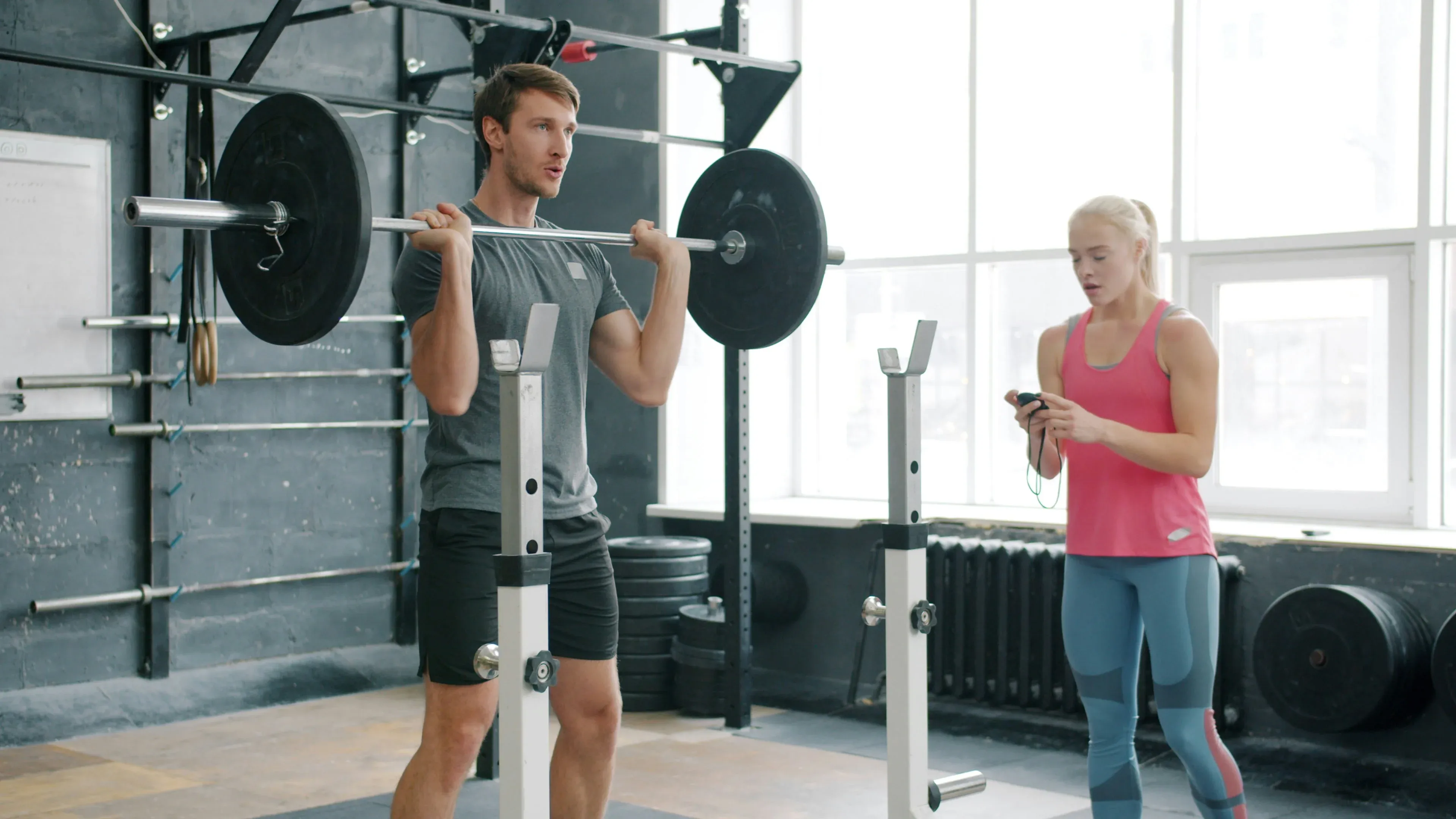
In the gym, metronomes help control tempo and time under tension. Athletes use them to:
Rowing crews use rhythm to synchronise the entire team. Synchronisation is critical because:
Because the body learns faster when movement is repeatable and measurable.
When you train with external rhythm:
BeatBuddy was built around this idea: help athletes move with intention, not guesswork.
Rhythm creates consistency. Consistency builds performance.
Whether you're a swimmer working on stroke rate, a runner optimizing cadence, or an athlete in any sport where timing matters — training with rhythm transforms how your body learns and performs.
Leading coaches across different disciplines have long recognised the power of rhythm and tempo work:
These coaches understand what science confirms: rhythm isn't just about timing — it's about teaching the nervous system to move efficiently under pressure.
Get early updates on BeatBuddy Pro and be first to know when beta spots open.
We respect your privacy. Unsubscribe at any time.
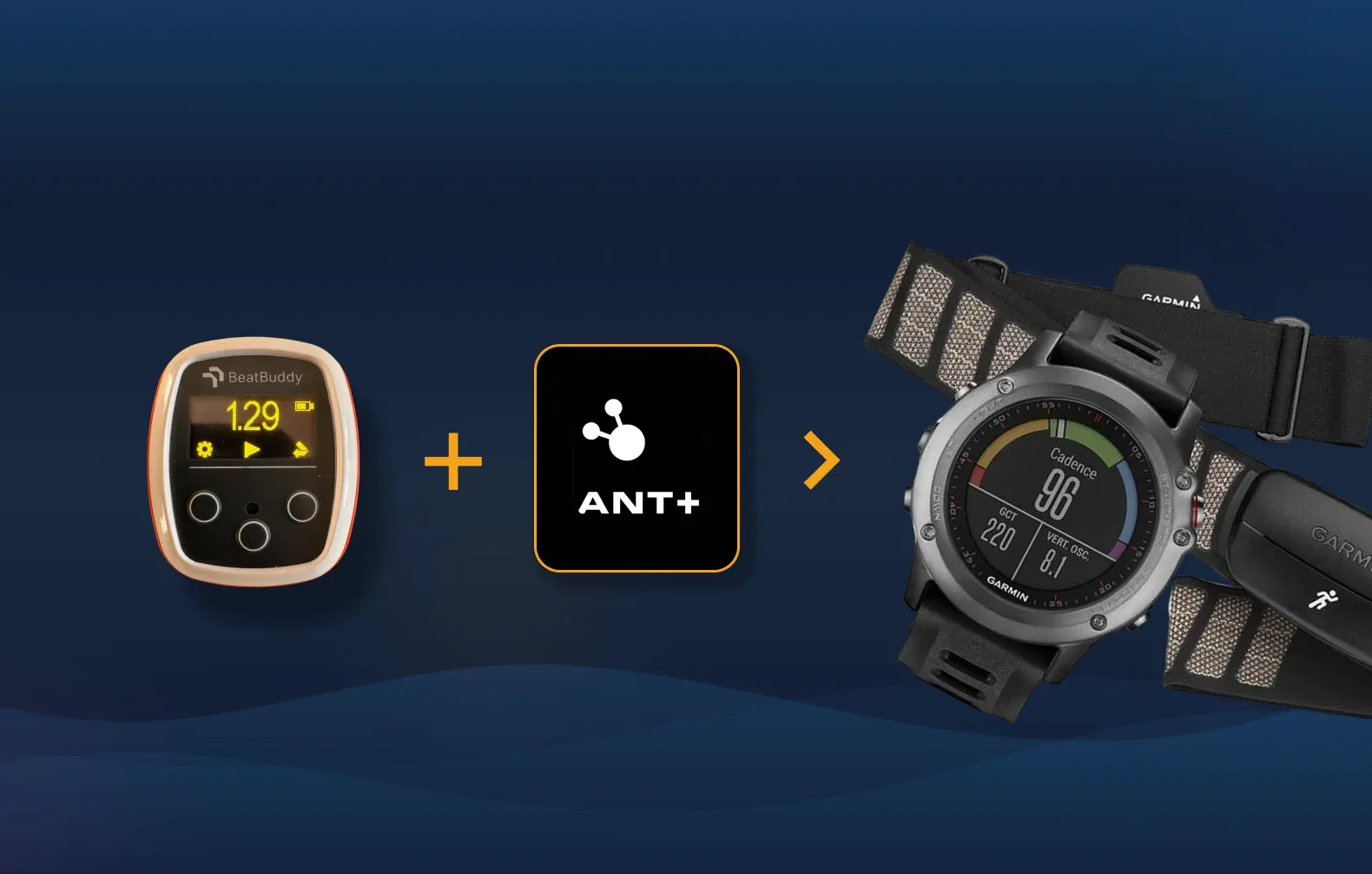
2.5 Years to This Moment: First Waterproof Device Test
After 2.5 years of development, we tested two fully waterproof BeatBuddy Pro devices in real conditions. Next: 100 beta units.
SPL: The Hidden Metric That Transforms Your Swimming
Many swimmers obsess over speed, but SPL (Strokes Per Length) is a direct indicator of swimming efficiency. Learn what's good for your height.